

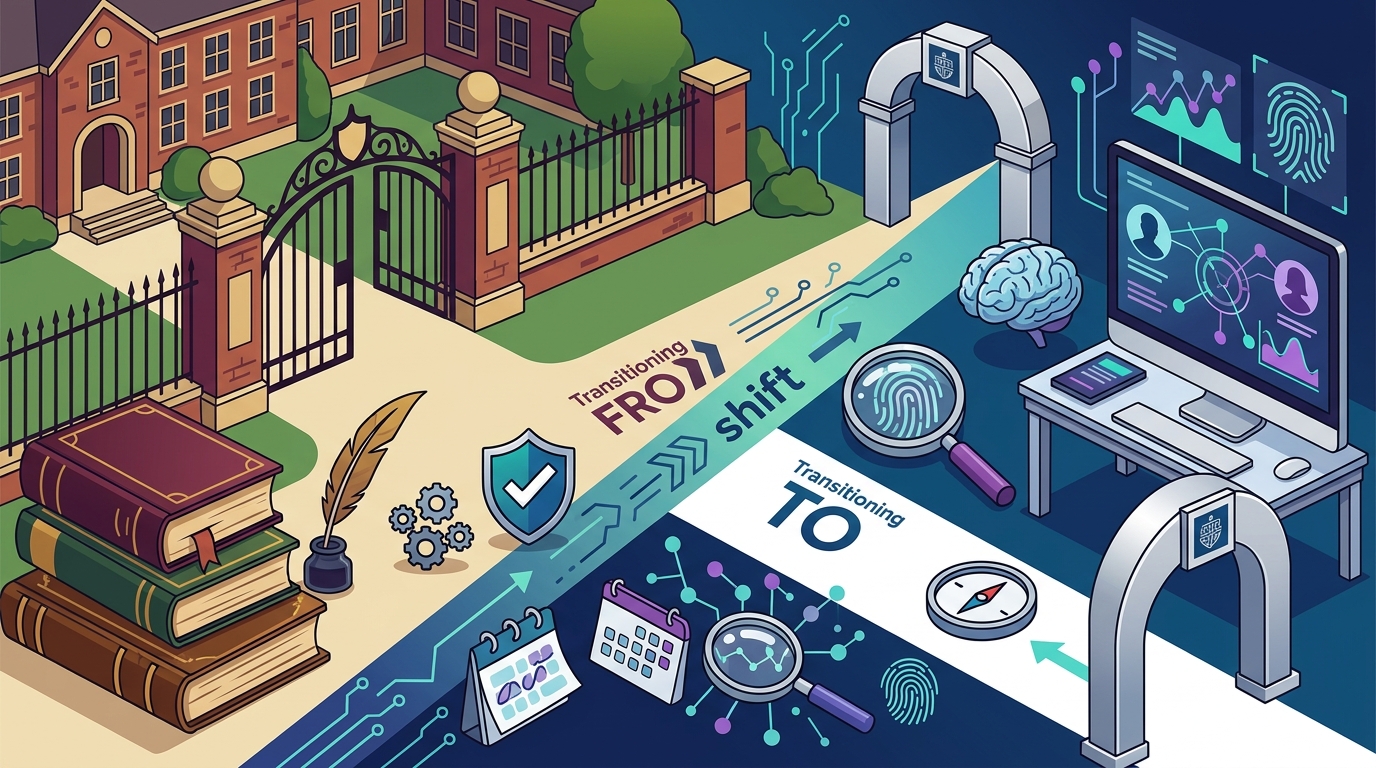
The landscape of higher education has shifted dramatically, with online enrollment growing by over 300 percent in the last decade. For professionals in behavioral and forensic sciences, this digital shift is not merely a convenience but a necessity for accessing specialized, high-level training. The transition requires more than just logging into a portal; it demands a strategic alignment of personal workflow, technical infrastructure, and academic rigor. This guide outlines the critical steps to ensure a seamless and productive transition to online graduate study.
Understanding the Digital Pedagogy of Behavioral Sciences
Behavioral and forensic sciences are inherently observational and analytical. Transitioning these disciplines to a virtual environment requires a specific pedagogical approach. Unlike traditional lecture-based courses, online behavioral science programs emphasize applied knowledge and critical thinking in real-time scenarios.
Applied Behavioral Science is the practical application of psychological theories to solve complex human problems in organizational, legal, and security contexts. This definition highlights the core of the curriculum. Students must learn to interpret conduct, test interventions, and understand bias through digital mediums. The challenge lies in maintaining the nuance of nonverbal analysis and behavioral economics when physical presence is removed.
Programs like those offered by Evidentia University are designed to bridge this gap. They utilize a virtual classroom that mirrors the intensity of in-person seminars. The goal is to create a scientific evidence-based learning environment that respects the individuality of the student while fostering academic rigor. Understanding this pedagogical shift is the first step in your transition.
Selecting the Right Program and Faculty
Not all online programs are created equal. In behavioral sciences, the credibility of the faculty is paramount. You must seek programs where instructors are not just academics but active practitioners in the field.
Look for faculty with direct experience in law enforcement, intelligence, or corporate security. For instance, programs taught by former FBI Behavioral Analysis Unit agents or retired police lieutenant colonals provide insights that textbooks cannot. The faculty profiles at leading institutions often highlight these credentials, ensuring that the instruction is grounded in real-world application.
When evaluating programs, consider the following criteria:
- Accreditation and Licensing: Ensure the institution is licensed by relevant educational bodies, such as the Florida Department of Education for US-based online programs.
- Curriculum Relevance: Does the curriculum cover modern threats like cybercriminology and behavioral economics?
- Faculty Expertise: Are the instructors current or former professionals in the field?
Choosing a program with a strong focus on applied behavioral science ensures that your education will be directly transferable to your career.
Technical Infrastructure and Virtual Classroom Setup
A successful transition requires a robust technical foundation. Online learning in forensic sciences often involves analyzing video evidence, participating in live simulations, and accessing secure databases. Your home office must be equipped to handle these demands.
First, ensure you have a high-speed, stable internet connection. Video conferencing for behavioral analysis requires high definition to capture subtle facial movements and nonverbal cues. A reliable network infrastructure is essential to prevent disruptions during critical lectures.
Second, familiarize yourself with the virtual classroom platform. Institutions like Evidentia University use dedicated platforms for their virtual classroom. Take time to explore the help center and test your audio and video settings before the cohort begins. Understanding how to navigate the course catalog and access the academic catalog is also part of this technical preparation.
Finally, establish a dedicated workspace. Behavioral science requires deep focus. A quiet, distraction-free environment will help you engage fully with complex topics like criminal profiling and behavioral cybersecurity.
Time Management for Working Professionals
Most students in behavioral and forensic sciences are working professionals. The transition to online learning requires a rigorous approach to time management. Online programs are designed to be completed in approximately one year, but this pace demands discipline.
Create a weekly schedule that blocks out specific times for reading, research, and virtual class participation. Treat these blocks as non-negotiable appointments. The flexibility of online learning is a benefit, but it can also lead to procrastination if not managed carefully.
Utilize the help center resources provided by your university to understand assignment deadlines and grading rubrics. Clear communication with your academic advisors can help you navigate any scheduling conflicts. Remember, the goal is to integrate your studies into your life, not let them overwhelm it.
Engaging with Practitioner Faculty
In an online environment, proactive engagement is key to success. Unlike traditional classrooms where you might remain anonymous, online learning thrives on interaction. You must actively participate in discussions, ask questions, and seek feedback.
Faculty in these programs are often available for virtual consultations. Use these opportunities to discuss your career goals and how the master's programs can support them. Engaging with peers is equally important. Join study groups and participate in forums to exchange insights on topics like nonverbal communication and behavioral economics.
Building a network with your cohort can lead to future professional collaborations. The alumni network is a valuable resource for career advancement in the behavioral sciences.
Ethical and Legal Compliance in Remote Learning
Behavioral and forensic sciences deal with sensitive data and ethical dilemmas. As you transition to online learning, you must adhere to strict ethical guidelines. This includes protecting the privacy of case studies and maintaining academic integrity.
Understand the legal frameworks governing your studies. For example, programs licensed in Florida must comply with state educational regulations. Familiarize yourself with the mission and core values of your institution to ensure your conduct aligns with their standards.
Always cite your sources correctly and avoid plagiarism. The integrity of your work reflects on your professional reputation. In fields like anti-fraud behavioral analysis, ethical lapses can have serious real-world consequences. Stay vigilant and uphold the highest standards of professionalism.
Key Takeaways
- Program Duration: Most online master's degrees in behavioral sciences are designed to be completed in approximately one year.
- Credit Structure: Programs typically require 36 US credits and 65 ECTS for graduation.
- Faculty Background: Leading programs feature faculty with over 23 years of experience in the FBI Behavioral Analysis Unit.
- Accreditation: Ensure your institution is licensed by the Florida Department of Education (CIE #9097).
- Next Cohort: The next cohort for many programs begins in August 2026.
- Curriculum Focus: Emphasis is placed on applied knowledge, critical thinking, and scientific evidence-based learning.
- Target Audience: Programs are designed for working professionals seeking to bridge academia with professional development.
Frequently Asked Questions
What is the typical duration of an online behavioral science master's program?
Most online master's programs in behavioral and forensic sciences are designed to be completed in approximately one year of full-time study.
Are online degrees in forensic sciences accredited?
Yes, reputable institutions are licensed by relevant educational bodies, such as the Florida Department of Education, ensuring the validity of the degree.
How do I access the virtual classroom?
Students can access the virtual classroom through the institution's website under the "Quick Links" or "Virtual Classroom" menu, often requiring a secure login.
What are the prerequisites for enrollment?
Prerequisites vary by program but generally include a bachelor's degree and relevant professional experience in fields like law enforcement, psychology, or business.
Can I continue working while enrolled?
Yes, the programs are specifically designed for working professionals, with flexible schedules that allow you to balance work and study.
What topics are covered in the behavioral economics course?
The course covers decision-making processes, cognitive biases, and the application of economic principles to human behavior in organizational settings.
How can I speak with a counselor?
You can speak with a counselor by using the "Talk to Counselor" link available on the institution's homepage or contact page.
Start Your Transition Today
Transitioning to online learning in behavioral and forensic sciences is a strategic career move. By following these steps, you can ensure a smooth and successful journey. Take the first step by exploring the available programs and speaking with a counselor to find the right path for your future.