

Criminal profiling is a specialized field that requires rigorous academic training and practical experience. According to the FBI Behavioral Analysis Unit, effective profiling relies on a deep understanding of human behavior and psychological patterns. This guide outlines the educational and professional steps required to enter this field through online graduate studies. (About Us Evidentia University)
Understanding Modern Criminal Profiling
Criminal profiling, also known as offender profiling, is the process of identifying potential suspects through the analysis of evidence at the scene of a crime and the nature of the crime itself. It is not a standalone science but a tool used by law enforcement to narrow down suspect pools. The practice has evolved significantly since its inception in the mid-20th century. (Evidentia University Leading Forensic)
Historically, profiling was based on anecdotal evidence and intuition. Today, it is grounded in scientific methodology and psychological theory. The American Psychological Association notes that forensic psychology plays a crucial role in understanding criminal behavior. This shift has led to the development of specialized graduate programs that focus on the intersection of psychology, criminology, and investigative techniques.
Profiling involves several key components, including crime scene analysis, victimology, and behavioral evidence analysis. Professionals in this field must be able to interpret complex behavioral patterns and translate them into actionable investigative leads. This requires a strong foundation in both theoretical knowledge and practical application.
Academic Pathways for Aspiring Profilers
There is no single "certified criminal profiler" license issued by a global governing body. Instead, professional credibility is built through advanced education, specialized training, and experience within law enforcement or federal agencies. The most common academic pathway involves earning a master's or doctoral degree in forensic psychology, criminal justice, or a related field.
For those seeking to enter the field without a prior law enforcement background, graduate studies provide the necessary theoretical framework. These programs cover topics such as criminal behavior, investigative psychology, and forensic science. Students learn to analyze criminal acts from a behavioral perspective, which is essential for developing accurate profiles.
Many professionals in this field have prior experience as police officers, detectives, or military personnel. However, online graduate programs have made it possible for civilians to gain the academic credentials required to transition into specialized roles within federal agencies or private consulting firms. The key is to choose a program that emphasizes applied behavioral science and forensic analysis.
Evaluating Online Graduate Programs
Online education has transformed the accessibility of advanced degrees in forensic sciences. Institutions like Evidentia University offer specialized master's degrees in criminal profiling and behavioral sciences. These programs are designed for working professionals and provide flexibility without compromising academic rigor.
When evaluating online programs, consider the following factors:
- Accreditation: Ensure the institution is accredited by a recognized body, such as the Florida Department of Education for international programs.
- Curriculum: Look for courses that cover criminal profiling, behavioral economics, and cybersecurity.
- Faculty: Programs taught by practitioners, such as former FBI agents, offer valuable real-world insights.
- Flexibility: Online programs should allow students to balance their studies with professional commitments.
Evidentia University's Master of Science in Criminal Profiling is one example of a program designed to meet these criteria. The curriculum includes advanced topics such as the FBI methodology in criminal profiling and personality profiling through behavior. This approach ensures that graduates are prepared for the complexities of modern investigative work.
Certification and Professional Standards
While there is no mandatory certification for criminal profilers, professional organizations offer voluntary certifications that enhance credibility. The American Board of Professional Psychology provides board certification in forensic psychology, which is highly regarded in the field. Additionally, the National Association of Criminal Investigators offers specialized training and certification in investigative techniques.
Certification typically requires a combination of education, experience, and examination. Professionals must demonstrate competence in areas such as crime scene analysis, witness interviewing, and legal procedures. Maintaining certification often involves continuing education to stay updated on the latest research and methodologies.
For those pursuing online degrees, it is important to verify that the program prepares students for these certification requirements. Some programs may offer preparatory courses or resources to help students navigate the certification process. This alignment between academic training and professional standards is crucial for career advancement.
Career Development Steps
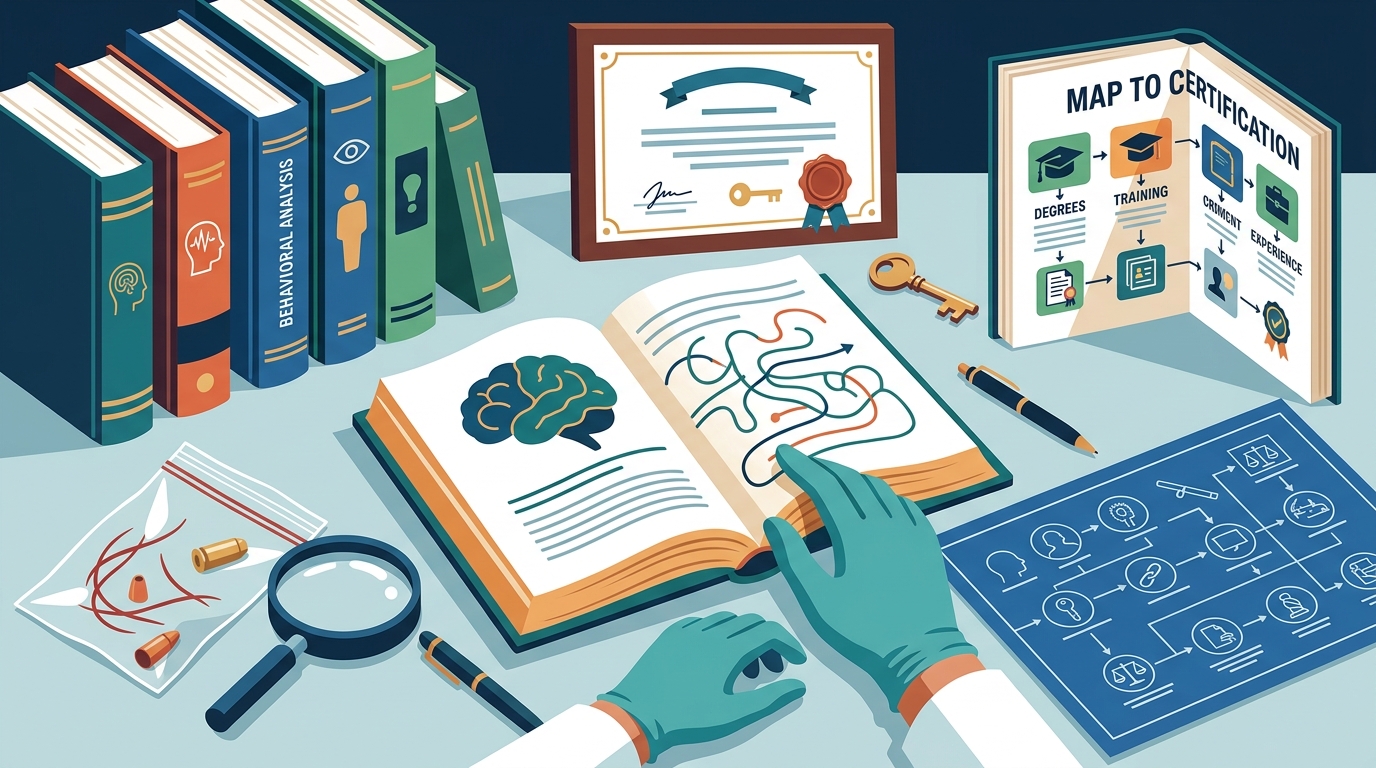
Becoming a certified criminal profiler is a multi-step process that requires dedication and strategic planning. The following steps outline a typical career path:
- Obtain a Bachelor's Degree: Start with a degree in psychology, criminology, or forensic science.
- Pursue Graduate Studies: Enroll in a specialized master's program, such as the MS in Criminal Profiling.
- Gain Experience: Work in law enforcement, military intelligence, or related fields to build practical skills.
- Seek Certification: Apply for voluntary certifications from professional organizations.
- Network: Connect with professionals in the field through conferences and online communities.
Networking is essential for career growth in this specialized field. Attending conferences and joining professional associations can provide opportunities for mentorship and collaboration. Many profiling opportunities arise through professional referrals and established relationships within the law enforcement community.
Additionally, staying informed about emerging trends in criminal behavior is crucial. The rise of cybercrime has created new demands for profilers with expertise in digital forensics and behavioral cybersecurity. Programs that integrate these topics, such as the MS in Behavioral Cybersecurity & Cybercriminology, offer a competitive edge in the job market.
Key Takeaways
- There is no single mandatory certification for criminal profilers; credibility is built through education and experience.
- Advanced degrees in forensic psychology or criminal profiling are the standard academic pathway.
- Online programs like those at Evidentia University offer flexible, specialized training for working professionals.
- Voluntary certifications from organizations like the ABPP enhance professional standing.
- Practical experience in law enforcement or related fields is often a prerequisite for advanced roles.
- Networking and continuous learning are essential for career development in this field.
- Emerging areas like cybercrime profiling require specialized knowledge in behavioral cybersecurity.
Frequently Asked Questions
Is criminal profiling a licensed profession?
Criminal profiling is not a licensed profession in the same way that psychology or medicine is. However, professionals often seek board certification in forensic psychology to demonstrate expertise.
Can I become a criminal profiler with an online degree?
Yes, an online master's degree in criminal profiling or forensic psychology can provide the necessary academic foundation. However, practical experience is also critical for career success.
What is the difference between criminal profiling and forensic psychology?
Criminal profiling focuses specifically on identifying offender characteristics and behavior patterns. Forensic psychology is a broader field that applies psychological principles to legal and criminal contexts.
How long does it take to complete a master's in criminal profiling?
Most online master's programs can be completed in one to two years, depending on the student's pace and the program's structure.
Do I need to be a police officer to become a profiler?
While many profilers have law enforcement backgrounds, it is not a strict requirement. Civilian professionals can enter the field through specialized graduate programs and subsequent training.
What skills are essential for a criminal profiler?
Essential skills include analytical thinking, attention to detail, knowledge of psychological theories, and the ability to interpret complex behavioral data.
Are there professional organizations for profilers?
Yes, organizations like the International Association of Forensic Mental Health Professionals and the National Association of Criminal Investigators offer resources and networking opportunities.
Next Steps
Embarking on a career in criminal profiling requires a commitment to rigorous academic study and professional development. Online graduate programs offer a flexible and effective pathway to gaining the necessary expertise. If you are ready to take the next step in your career, explore the specialized programs available at Evidentia University. Visit our counselor page to discuss your goals and find the right program for you.