

Master's in Sustainability: Addressing Environmental Challenges and Career Prep
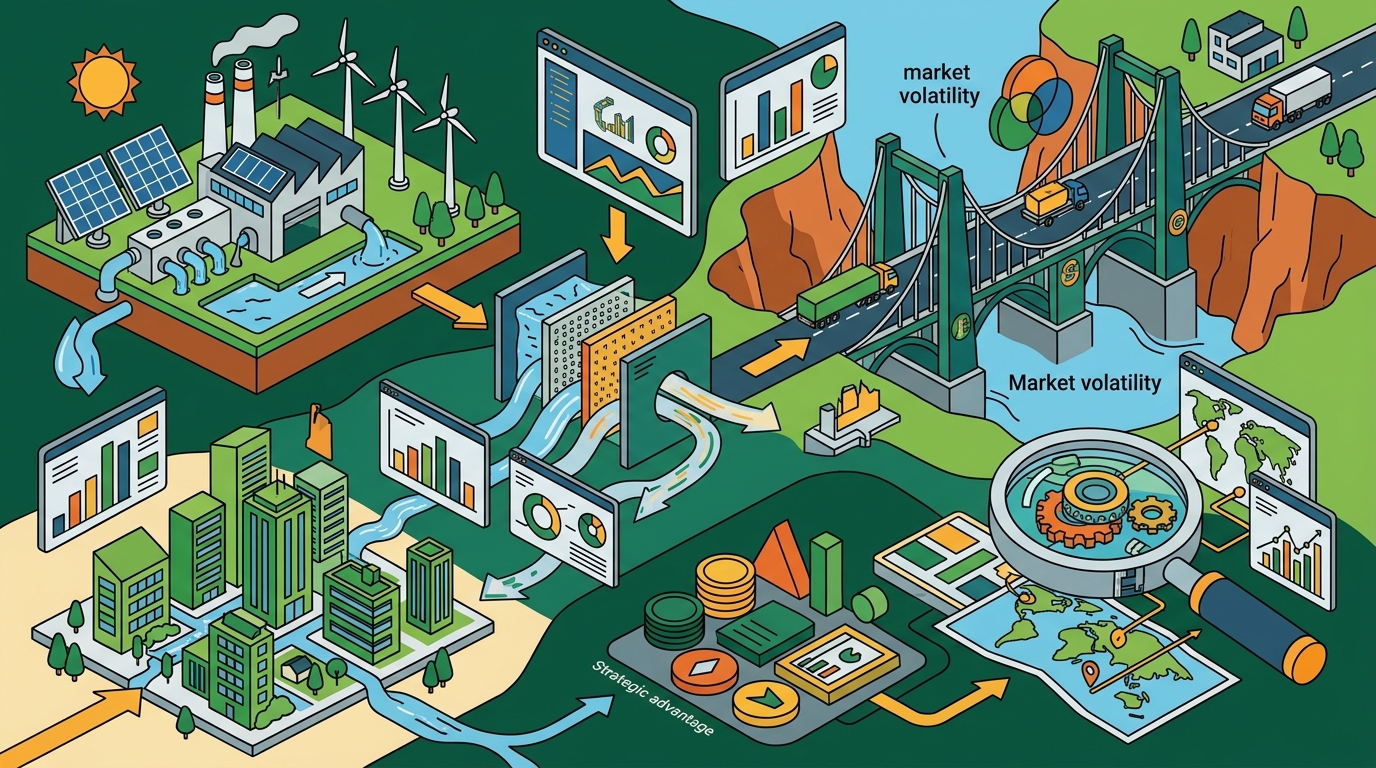
Sustainability has shifted from a peripheral corporate concern to a central driver of global economic strategy. According to recent industry analyses, organizations that integrate Environmental, Social, and Governance (ESG) criteria into their core operations are significantly more resilient against market volatility. This shift is not merely regulatory but strategic, requiring professionals who can translate complex environmental data into actionable business intelligence. A Master's in Sustainability provides the rigorous academic foundation and practical frameworks needed to navigate this evolving landscape. (About Us Evidentia University)
Strategic ESG Integration
Environmental, Social, and Governance (ESG) criteria are no longer optional metrics for public relations. They are fundamental indicators of long-term organizational health. A Master's program in Sustainability teaches students how to measure, analyze, and communicate these criteria with precision. This involves understanding the regulatory frameworks that govern reporting standards and the investor expectations that drive capital allocation. (Schools at Evidentia University)
Students learn to identify gaps in current corporate practices and design roadmaps for compliance and improvement. This strategic lens is critical for CFOs and finance leaders who must connect sustainability initiatives with long-term value creation. The curriculum emphasizes that sustainability is not a cost center but a competitive advantage that enhances brand reputation and stakeholder trust.
For professionals aiming to lead organizational change, understanding the language of ESG is essential. It allows them to speak effectively with investors, regulators, and internal stakeholders. This mastery is often the differentiator between a standard manager and a strategic leader capable of driving systemic change.
Circular Economy Models
The traditional linear model of take-make-dispose is becoming obsolete. A Master's in Sustainability delves deeply into the principles of the circular economy, which aims to eliminate waste and keep products and materials in use for as long as possible. This approach requires a fundamental rethink of product design, supply chains, and operational processes.
Students explore how to build business models that waste less and last longer. This includes analyzing supply chain resilience, designing for disassembly, and implementing reverse logistics. The goal is to create systems that are not only environmentally sustainable but also economically viable. By reducing dependency on raw material extraction, companies can mitigate risks associated with resource scarcity and price volatility.
Directors and senior managers benefit from this knowledge by learning to integrate sustainable practices into departmental planning. It enables them to identify opportunities for innovation and efficiency that were previously overlooked. The circular economy is not just an environmental imperative but a business strategy for growth and resilience.
Sustainable Finance and Investment
The intersection of finance and sustainability is rapidly expanding. A Master's program covers sustainable finance frameworks, teaching students how to evaluate investment opportunities based on their environmental impact and long-term viability. This includes understanding green bonds, sustainability-linked loans, and impact investing.
Students learn to assess the financial risks and opportunities associated with climate change and other environmental factors. This skill set is crucial for CFOs and finance leaders who must communicate sustainability metrics to investors and stakeholders. It also involves understanding the regulatory landscape that governs financial disclosures related to climate risk.
By mastering these concepts, graduates can guide organizations through the complexities of sustainable finance. They become key players in allocating capital to projects that deliver both financial returns and positive environmental outcomes. This role is increasingly central to the strategic direction of modern corporations.
Corporate Social Responsibility Strategy
Corporate Social Responsibility (CSR) has evolved from philanthropy to a core business strategy. A Master's in Sustainability teaches students how to design CSR initiatives that align purpose with business objectives. This involves creating programs that create social value while supporting brand reputation and operational goals.
Students learn to move beyond reporting to strategy. They develop the skills to embed sustainability into corporate culture and decision-making processes. This includes engaging with diverse stakeholders, from local communities to global NGOs, to ensure that CSR initiatives are meaningful and impactful.
For CSOs and CSR managers, this strategic approach is vital. It transforms CSR from a peripheral activity into a driver of innovation and employee engagement. By aligning social responsibility with business strategy, organizations can build stronger relationships with their stakeholders and enhance their overall market position.
Career Pathways and Roles
A Master's in Sustainability opens doors to a variety of high-impact career paths. Graduates are equipped to work in consulting, corporate strategy, finance, and non-profit sectors. The demand for professionals who can bridge the gap between environmental science and business strategy is growing rapidly.
| Role | Primary Focus | Key Skills Acquired |
|---|---|---|
| Sustainability Consultant | Guiding organizations through ESG transformation | Strategic planning, stakeholder engagement |
| ESG Analyst | Measuring and reporting environmental impact | Data analysis, regulatory compliance |
| CSR Manager | Designing and implementing social responsibility programs | Program management, community relations |
| Sustainable Finance Specialist | Evaluating investment opportunities based on ESG criteria | Financial modeling, risk assessment |
Entrepreneurs and innovators also benefit from this degree. They learn to build resilient, profitable ventures based on sustainable principles. This includes developing new products and services that address environmental challenges while meeting market demands. The ability to innovate in this space is a key driver of future economic growth.
Key Takeaways
- Sustainability is a core business strategy for long-term value, resilience, and brand reputation.
- ESG criteria are now fundamental indicators of organizational health and investor confidence.
- The circular economy offers a framework for reducing waste and enhancing supply chain resilience.
- Sustainable finance is a rapidly expanding field requiring specialized knowledge of green investment vehicles.
- CSR has evolved from philanthropy to a strategic driver of innovation and stakeholder engagement.
- Graduates can pursue roles in consulting, finance, corporate strategy, and entrepreneurship.
- Evidentia University offers a 12-week online certificate for professionals seeking to upskill in this area.
Frequently Asked Questions
What is the duration of the Master's in Sustainability program?
The Master's program is designed to be completed in approximately one year of full-time study. It is delivered 100% online, allowing students to balance their education with professional commitments.
Is the program accredited?
Yes, the program is licensed by the Florida Department of Education. This ensures that the curriculum meets rigorous academic standards and is recognized by employers and other educational institutions.
What career roles can I pursue with this degree?
Graduates can pursue roles such as Sustainability Consultant, ESG Analyst, CSR Manager, and Sustainable Finance Specialist. The degree also prepares entrepreneurs to build sustainable ventures.
How does the program address current environmental challenges?
The curriculum covers strategic ESG integration, circular economy models, and sustainable finance. These frameworks provide students with the tools to analyze and address complex environmental issues within a business context.
Can I study in Spanish?
Yes, Evidentia University offers bilingual support in English and Spanish. Students can receive tutoring and complete coursework in their preferred language, ensuring accessibility for a global audience.
What is the difference between the Master's and the Certificate?
The Master's degree provides a comprehensive academic foundation and is suitable for those seeking a career change or advancement. The Certificate in Sustainability is a 12-week intensive program designed for professionals who want to quickly upskill in specific areas like ESG and circular economy.
Who is the ideal candidate for this program?
The program is ideal for leaders, managers, consultants, and decision-makers who need practical frameworks to embed sustainability into their organizations. It is also suitable for entrepreneurs looking to build resilient business models.
How does the program prepare students for the job market?
The program emphasizes practical application through case studies, strategic planning, and real-world frameworks. Students learn to communicate sustainability metrics effectively and design initiatives that deliver measurable business value.
Next Steps
Ready to lead the transition to a sustainable future? Evidentia University offers a rigorous, online Master's in Sustainability designed for professionals who want to make a tangible impact. Our program combines academic excellence with practical application, preparing you for the challenges of the modern business world.
Take the first step toward a meaningful career. Visit our website to explore the curriculum, speak with a counselor, and learn more about our upcoming cohorts. Whether you choose the Master's degree or the Certificate in Sustainability, you will gain the strategic tools needed to drive change.