

Transitioning to Online Behavioral Science Learning: A Strategic Guide
The landscape of forensic and behavioral education has shifted dramatically toward digital platforms. According to recent industry analyses, over 60% of graduate-level professional development in specialized sciences now occurs through virtual classrooms. This statistic highlights a critical reality: the ability to navigate and thrive in an online learning environment is no longer optional for modern practitioners. Whether you are a seasoned investigator or a compliance officer, understanding the mechanics of digital pedagogy in high-stakes fields like criminal profiling or behavioral economics is essential for career advancement. (About Us Evidentia University)
Understanding the Digital Pedagogy of Behavioral Sciences
Transitioning to online learning requires a fundamental shift in how you process complex behavioral data. Unlike traditional lecture halls, virtual environments demand active engagement with multimedia evidence. Behavioral science is not merely theoretical; it is observational. In a digital context, this means you must learn to extract meaning from video recordings, audio transcripts, and digital communication logs.
The core challenge lies in replicating the nuance of face-to-face interaction. When studying nonverbal communication, for instance, you are analyzing micro-expressions and body language through a screen. This requires heightened attention to detail and a disciplined approach to note-taking. You must treat every virtual session as a field observation. The absence of physical presence does not diminish the importance of behavioral cues. Instead, it amplifies the need for technical proficiency in reviewing digital artifacts.
Furthermore, the curriculum in fields like criminal profiling or anti-fraud behavioral analysis relies heavily on case studies. These cases are often presented through interactive modules rather than static textbooks. You must learn to navigate these platforms efficiently to access primary source materials. This includes reviewing interview transcripts, analyzing crime scene reports, and evaluating psychological profiles. The ability to synthesize this information quickly is a critical skill for any forensic professional.
Selecting the Right Platform and Curriculum
Not all online programs are created equal, especially in the sensitive domain of forensic sciences. The transition process begins with rigorous due diligence regarding the educational provider. You must verify that the institution is licensed and recognized by relevant educational authorities. For example, Evidentia University is licensed by the Florida Department of Education, which ensures a baseline of academic integrity and regulatory compliance. This accreditation is vital for professionals who need their credentials to hold weight in legal or corporate settings.
When evaluating programs, look for those that offer 100% online formats with flexible pacing. The modern forensic professional often balances full-time employment with advanced study. A program that allows you to engage with content at your own pace, while still providing structured deadlines, offers the best balance of rigor and flexibility. Additionally, check for bilingual support. In an increasingly globalized world, the ability to study in English or Spanish expands your professional reach and understanding of cross-cultural behavioral patterns.
Another critical factor is the curriculum's focus on practical application. Theoretical knowledge alone is insufficient for roles in behavioral cybersecurity or cybercriminology. You need a program that teaches you how to apply behavioral frameworks to real-world scenarios. This includes understanding the psychology behind fraud, the motivations of cybercriminals, and the strategies for effective investigative interviewing. Look for courses that emphasize the human side of data analysis, moving beyond software tools to understand the people behind the screens.
Mastering Nonverbal Analysis in a Virtual Space
One of the most significant hurdles in online behavioral science education is mastering nonverbal analysis through a digital interface. Nonverbal communication is the study of how people convey information without words. In a virtual setting, this involves analyzing facial expressions, posture, and tone of voice in recorded media. To succeed, you must develop a systematic approach to reviewing video evidence.
Start by familiarizing yourself with the tools provided by your program. Many advanced programs offer specialized software for frame-by-frame analysis. Learn to use these tools to isolate specific movements and expressions. For instance, when studying the FACS (Facial Action Coding System), you need to identify individual muscle movements that indicate specific emotional states. This requires patience and precision. Do not rush through the material. Take notes on every anomaly you observe.
Additionally, practice active listening during virtual lectures. The instructor's delivery style, pauses, and emphasis can provide valuable insights into the subject matter. Engage with the material by participating in discussion forums and virtual case reviews. This interaction helps you refine your analytical skills and receive feedback from peers and instructors. The goal is to develop a keen eye for detail that translates effectively from the screen to the field.
Building Digital Investigative Workflows
Effective online learning requires robust organizational systems. In forensic science, the integrity of your data and notes is paramount. You must establish a digital workflow that ensures your research is secure, accessible, and logically structured. This involves using secure file storage solutions, version control for your documents, and standardized naming conventions for your case files.
Consider the specific needs of your chosen specialization. For example, if you are pursuing a certificate in antifraud behavioral analysis, you will be dealing with sensitive financial data and behavioral reports. Your workflow must include protocols for data privacy and confidentiality. Ensure that your digital environment is compliant with relevant regulations, such as GDPR or HIPAA, depending on the nature of the data you are handling.
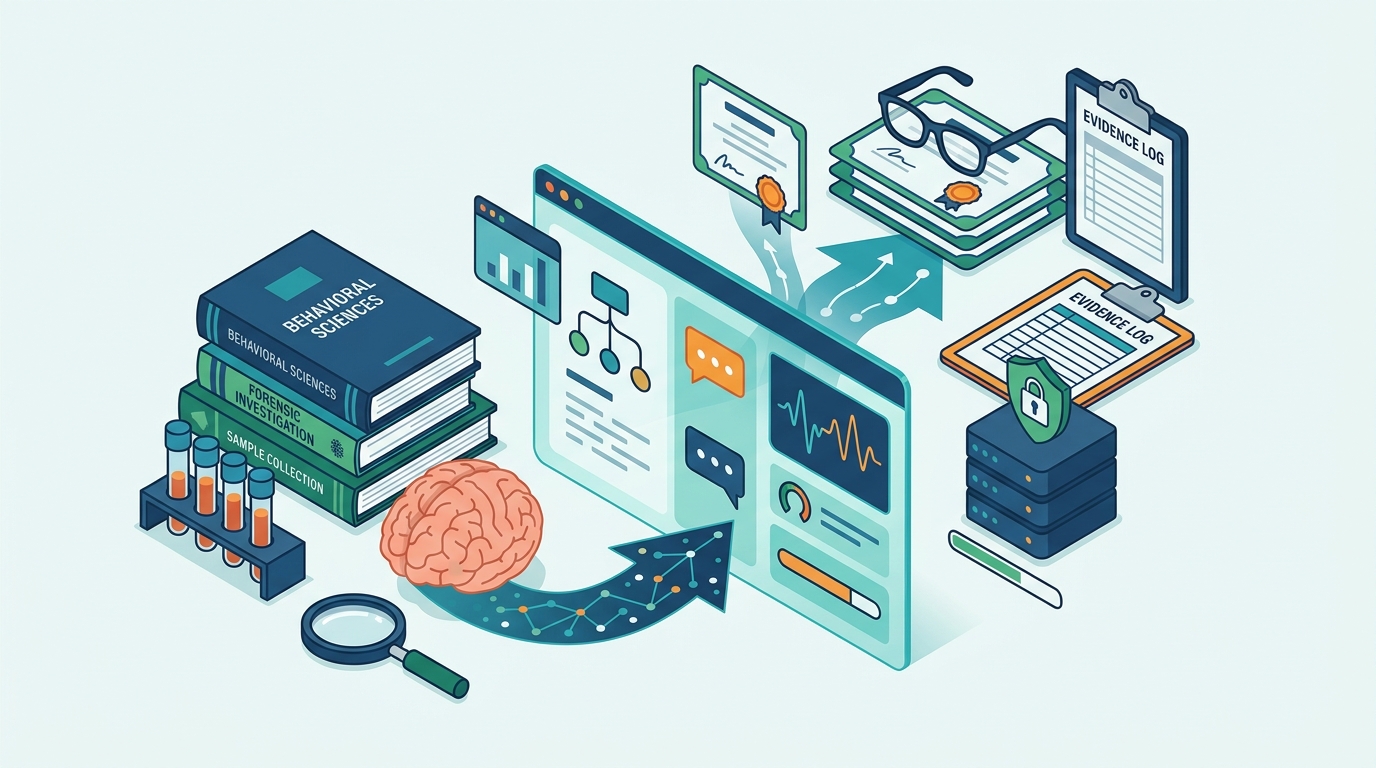
Furthermore, leverage technology to enhance your learning. Use mind-mapping tools to visualize connections between different behavioral theories and case outcomes. Utilize reference management software to organize your readings and citations. These tools not only improve your efficiency but also help you build a comprehensive knowledge base that you can draw upon throughout your career. The ability to quickly retrieve and synthesize information is a key competency for any forensic professional.
Leveraging Faculty Expertise and Mentorship
The value of an online program is often determined by the quality of its faculty. In behavioral sciences, learning from practitioners who have real-world experience is invaluable. Look for programs that feature instructors with backgrounds in law enforcement, intelligence agencies, or corporate security. For example, faculty members who are former FBI agents or forensic psychologists bring a depth of practical knowledge that textbooks cannot replicate.
Engage with your instructors actively. Ask questions about their experiences in the field. Seek feedback on your case analyses. Mentorship is a critical component of professional development in forensic sciences. The insights you gain from experienced practitioners can help you navigate complex ethical and legal challenges. They can also provide guidance on career paths and networking opportunities within the industry.
Additionally, take advantage of the collaborative opportunities provided by the program. Connect with your peers who may be working in different sectors, such as compliance, law, or corporate security. These diverse perspectives can enrich your understanding of behavioral science and open doors to interdisciplinary collaborations. The network you build during your studies can be a significant asset throughout your career.
Key Takeaways
- Accreditation Matters: Ensure your program is licensed by recognized bodies, such as the Florida Department of Education, to guarantee credential validity.
- Focus on Practical Application: Prioritize curricula that emphasize real-world case studies and behavioral frameworks over pure theory.
- Master Digital Tools: Develop proficiency in video analysis software and secure data management systems to handle forensic evidence effectively.
- Engage with Practitioners: Learn from faculty with direct experience in fields like the FBI Behavioral Analysis Unit or corporate security.
- Build a Robust Workflow: Establish secure, organized digital systems for managing case files and research data.
- Network Actively: Connect with peers and instructors to build a professional network across law, compliance, and security sectors.
- Flexibility is Key: Choose programs that offer self-paced learning to balance professional responsibilities with advanced study.
Frequently Asked Questions
Is online learning effective for forensic sciences?
Yes, online learning is highly effective for forensic sciences when the program emphasizes practical application and utilizes advanced digital tools for analysis. Many professionals successfully transition to virtual classrooms while maintaining rigorous standards.
What accreditation should I look for in an online behavioral science program?
Look for programs licensed by recognized educational authorities, such as the Florida Department of Education. Accreditation ensures that your degree or certificate meets regulatory standards and is respected by employers.
How do I analyze nonverbal cues in an online environment?
You analyze nonverbal cues by using specialized software to review video evidence frame-by-frame. Focus on micro-expressions, posture, and tone of voice, and take detailed notes on behavioral anomalies.
Can I earn a master's degree entirely online?
Yes, many institutions offer fully online master's degrees in behavioral sciences. These programs often provide flexible pacing and bilingual support to accommodate working professionals.
What is the difference between behavioral economics and criminal profiling?
Behavioral economics studies decision-making and rationality in economic contexts, while criminal profiling focuses on understanding the behavior and motivations of offenders. Both fields rely on behavioral science but apply it to different domains.
How long does it take to complete a certificate in antifraud behavioral analysis?
Most professional certificates in antifraud behavioral analysis are designed to be completed in approximately 12 weeks. These programs are typically self-paced, allowing you to study at your own speed.
Do I need a prior degree to enroll in these programs?
Requirements vary by program. Some master's degrees require a prior bachelor's degree, while continuing education certificates may be open to professionals with relevant work experience. Check the specific admission criteria for each program.
What career paths are available after completing an online behavioral science program?
Graduates can pursue careers in criminal profiling, fraud investigation, corporate security, compliance, and behavioral cybersecurity. The skills gained are applicable across law enforcement, legal, and corporate sectors.
Next Steps
Transitioning to online learning in behavioral and forensic sciences is a strategic investment in your professional future. By selecting the right program, mastering digital tools, and engaging with expert faculty, you can acquire the skills needed to excel in this dynamic field. Take the first step toward advancing your career by exploring the comprehensive programs offered by Evidentia University. Visit our home page to learn more about our master's degrees and certificates. You can also talk to a counselor to discuss your specific goals and find the perfect fit for your career path.