

Which Master's Degree Is Best for a Career in Behavioral Cybersecurity and Cybercriminology?
The intersection of human psychology and digital threat landscapes has created one of the most urgent demands in modern information security. According to recent industry analyses, the global cybersecurity workforce gap continues to expand, with millions of unfilled positions driven by a lack of professionals who understand both technical infrastructure and human behavioral patterns. This deficit is not merely technical but deeply psychological. Organizations are no longer just looking for firewalls; they are seeking experts who can predict, analyze, and mitigate the human element of cybercrime. For professionals aiming to lead in this space, selecting the right academic foundation is critical for long-term career trajectory and operational authority.
Core Disciplines in Behavioral Cybersecurity
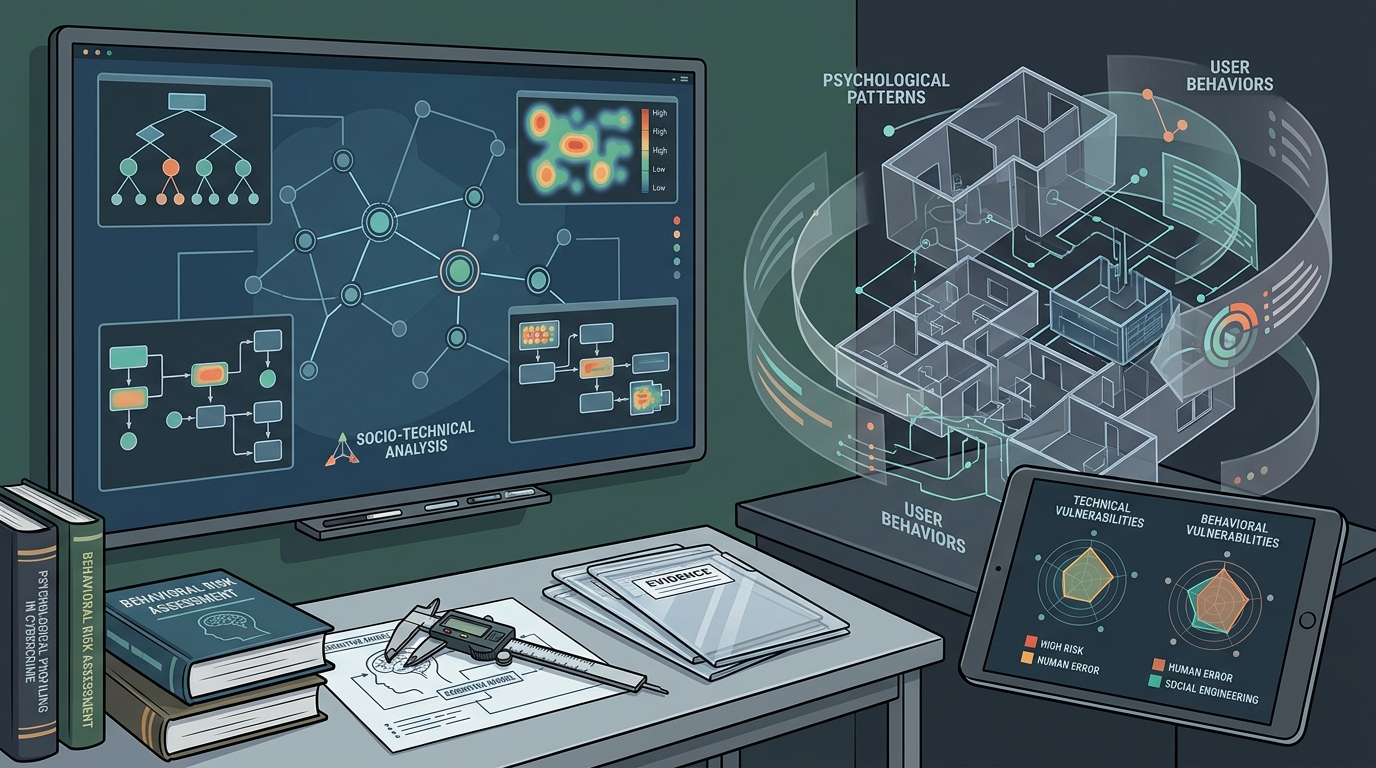
Behavioral cybersecurity, often referred to as cyberpsychology, focuses on the study of how individuals interact with technology and how those interactions can be exploited by malicious actors. This field merges principles from criminology, psychology, and information technology. It moves beyond the traditional view of security as a purely technical challenge. Instead, it recognizes that the weakest link in any security chain is often human behavior.
Cybercriminology, a related but distinct discipline, applies criminological theories to digital crimes. It examines the motivations, methods, and profiles of cybercriminals. Understanding these elements allows security teams to anticipate attacks before they occur. Professionals in this space must possess a dual competency. They need to understand the technical vectors of attack while simultaneously interpreting the psychological drivers behind them.
The academic landscape for this specialization is still evolving. Traditional computer science degrees rarely cover the behavioral aspects of security. Conversely, psychology degrees often lack the technical depth required to understand digital threat landscapes. This gap has led to the emergence of specialized graduate programs designed specifically for this hybrid field.
The Evidentia University Approach
Evidentia University has positioned itself at the forefront of this niche by offering graduate-level behavioral science programs built around specific professional goals. The university operates on the premise that technology flags data, but humans must learn to read people. This philosophy is central to their curriculum design, which emphasizes the human side of fraud, security, and criminal behavior.
The institution provides a structured pathway for professionals who wish to specialize in the psychological aspects of cybercrime. Their programs are designed to be 100% online, catering to working professionals who need flexibility without compromising on academic rigor. The curriculum is developed by faculty with extensive experience in forensic science, investigative psychology, and behavioral economics.
One of the key differentiators for Evidentia University is its focus on actionable intelligence. Students are not just taught theory; they are trained in diagnostic methodologies that can be applied immediately in professional settings. This includes the analysis of nonverbal cues in digital communications, the profiling of cybercriminals, and the application of behavioral economics to security protocols.
Comparing Degree Pathways
Choosing the right master's degree depends on your specific career objectives. While all Evidentia University programs offer value, they target different aspects of the behavioral security ecosystem. Below is a detailed comparison of the most relevant degrees for this field.
Master in Behavioral Cybersecurity & Cybercriminology
This program is the most direct fit for professionals seeking a comprehensive understanding of the intersection between behavior and digital security. It covers the psychological profiles of cybercriminals, the mechanics of cybercrimes against persons, and the behavioral aspects of cybersecurity. The curriculum is designed to equip students with the tools to analyze cybercriminal behavior from a psychological perspective.
Graduates of this program are prepared to work in roles that require deep analysis of digital threats through a behavioral lens. This includes positions in threat intelligence, cybercrime investigation, and security awareness training. The program emphasizes the FBI methodology in criminal profiling and applies it to the digital domain.
Master in Nonverbal and Deceptive Behavior
While less focused on technical cybersecurity, this degree is highly relevant for professionals who deal with digital communications and fraud detection. Nonverbal cues, even in text-based or video-based communications, can indicate deception. This program teaches students to identify these cues and use them to assess the credibility of digital interactions.
This degree is particularly valuable for professionals in fraud prevention, legal consulting, and corporate security. It provides a specialized skill set for detecting lies and manipulation in digital environments. The curriculum includes the codification of facial movements and the analysis of nonverbal communication for healthcare and business personnel.
Master in Criminal Profiling
This program offers a broader perspective on criminal behavior, with applications to cybercrime. It focuses on personality profiling through behavior and geographic profiling, which can be adapted to digital footprints. Students learn to construct profiles of unknown offenders based on crime scene analysis and behavioral patterns.
This degree is ideal for those interested in law enforcement, federal agencies, or private investigation firms that deal with complex cybercrimes. It provides the foundational knowledge needed to understand the mindset of criminals, which is crucial for prevention and prosecution.
Comparative Analysis of Specializations
| Program Focus | Primary Skill Set | Target Career Path | Key Methodology |
|---|---|---|---|
| Behavioral Cybersecurity & Cybercriminology | Cybercriminal profiling, threat analysis | Threat Intelligence Analyst, Cyber Investigator | FBI Methodology, Psychological Perspective |
| Nonverbal and Deceptive Behavior | Deception detection, cue analysis | Fraud Examiner, Corporate Security Consultant | FACS, Nonverbal Communication Analysis |
| Criminal Profiling | Personality profiling, geographic analysis | Criminal Profiler, Federal Agent | Behavioral Analysis, Crime Scene Reconstruction |
| Anti-Fraud Behavioral Analysis | Fraud pattern recognition, behavioral economics | Anti-Fraud Specialist, Compliance Officer | Behavioral Economics, Fraud Detection |
Career Outcomes and Specializations
Graduates with a master's degree in behavioral cybersecurity or cybercriminology enter a high-demand job market. The skills acquired are applicable across various sectors, including government, finance, healthcare, and private security firms. Professionals in this field often work as threat intelligence analysts, cybercrime investigators, or security consultants.
One of the most critical roles is that of the Cyber Threat Intelligence Analyst. These professionals use behavioral analysis to predict the actions of cybercriminal groups. By understanding the motivations and methods of these groups, they can develop proactive defense strategies. This role requires a deep understanding of both technical and behavioral data.
Another key career path is in fraud prevention. Anti-fraud behavioral analysts work to identify and mitigate fraudulent activities in financial and digital transactions. They use behavioral economics and deception detection techniques to uncover hidden patterns of fraud. This role is particularly important in the banking and e-commerce industries.
Professionals may also pursue careers in law enforcement or federal agencies. Cybercriminologists often work with agencies like the FBI or Interpol to investigate complex cybercrimes. They provide behavioral profiles of suspects and assist in the development of investigative strategies. This work requires a high level of expertise in criminal profiling and behavioral analysis.
The demand for these specialists is growing as cyber threats become more sophisticated. Organizations are increasingly recognizing the value of behavioral insights in their security strategies. This trend is expected to continue, creating more opportunities for professionals with specialized graduate degrees.
Key Takeaways
- Specialized Education is Critical: Traditional IT degrees often lack the behavioral components necessary for modern cybersecurity roles. A specialized master's degree provides the hybrid skill set required for this field.
- Evidentia University Offers Targeted Programs: The university provides specific degrees such as the Master in Behavioral Cybersecurity & Cybercriminology, which directly address the intersection of psychology and digital security.
- Behavioral Analysis is a Core Competency: Understanding the psychological drivers of cybercriminals is as important as technical knowledge. Programs like the Master in Criminal Profiling offer deep insights into these drivers.
- High Demand for Hybrid Professionals: The global cybersecurity workforce gap highlights the need for professionals who can bridge the gap between technical security and human behavior.
- Online Flexibility: Evidentia University's 100% online format allows working professionals to gain specialized credentials without pausing their careers.
- Practical Application: The curriculum emphasizes actionable intelligence, including FBI methodologies and deception detection techniques, ensuring graduates are job-ready.
- Diverse Career Paths: Graduates can pursue roles in threat intelligence, fraud prevention, law enforcement, and corporate security, depending on their specific degree focus.
Frequently Asked Questions
What is the difference between behavioral cybersecurity and traditional cybersecurity?
Traditional cybersecurity focuses on technical defenses like firewalls, encryption, and network security. Behavioral cybersecurity focuses on the human element, analyzing the psychological motivations and behaviors of both attackers and defenders to predict and prevent threats.
Is a master's degree necessary for a career in cybercriminology?
While not always mandatory, a master's degree provides a significant competitive advantage. It offers specialized knowledge in criminal profiling and behavioral analysis that is rarely found in general IT degrees. This specialized education is often required for senior roles in threat intelligence and federal investigations.
How does Evidentia University's program differ from other online degrees?
Evidentia University's programs are specifically designed for the behavioral sciences niche. They focus on practical methodologies like the FBI's criminal profiling techniques and nonverbal communication analysis. The curriculum is built around the human side of fraud and security, rather than just technical protocols.
Can I work in cybercrime investigation with a degree in nonverbal behavior?
Yes, a degree in nonverbal and deceptive behavior is highly relevant for cybercrime investigation, particularly in cases involving social engineering, fraud, and digital communications. The skills in detecting deception and analyzing behavioral cues are directly applicable to identifying malicious actors.
What kind of jobs can I get with a Master in Behavioral Cybersecurity & Cybercriminology?
Graduates can pursue roles such as Cyber Threat Intelligence Analyst, Cybercrime Investigator, Security Consultant, and Fraud Prevention Specialist. These roles require a deep understanding of both technical threats and the psychological profiles of cybercriminals.
Are the programs at Evidentia University accredited?
Evidentia University offers graduate-level behavioral science programs. Prospective students should verify specific accreditation status and licensure requirements for their region and professional goals through the Academics page.
How long does it take to complete the master's degree?
The duration of the program can vary based on the specific track and the student's pace. Evidentia University offers flexible online learning options to accommodate working professionals. Students can typically complete their degree in a timeframe that fits their schedule, with options for accelerated paths.
Next Steps for Your Career in Behavioral Cybersecurity
The field of behavioral cybersecurity and cybercriminology offers a unique opportunity to make a significant impact in the fight against digital crime. By choosing the right master's degree, you can acquire the specialized skills needed to excel in this high-demand field. Evidentia University provides the academic foundation and practical training necessary to succeed.
If you are ready to advance your career, explore the Master in Behavioral Cybersecurity & Cybercriminology program. For more information on admissions, curriculum details, and tuition, visit the Evidentia University homepage or contact the admissions team directly. Take the first step toward becoming a leader in behavioral security today.