

Which Master's Degree is Best for a Career in Behavioral Cybersecurity and Cybercriminology?
The intersection of human psychology and digital threat landscapes is rapidly expanding. According to recent industry analyses, the global cybersecurity workforce gap continues to widen, with millions of unfilled positions globally. This shortage is not just technical but deeply behavioral. Organizations now recognize that understanding the psychology of the attacker is as critical as understanding the code they exploit. For professionals seeking to bridge this gap, choosing the right graduate program is a strategic career move that defines your future trajectory in this high-stakes field.
Understanding Behavioral Cybersecurity
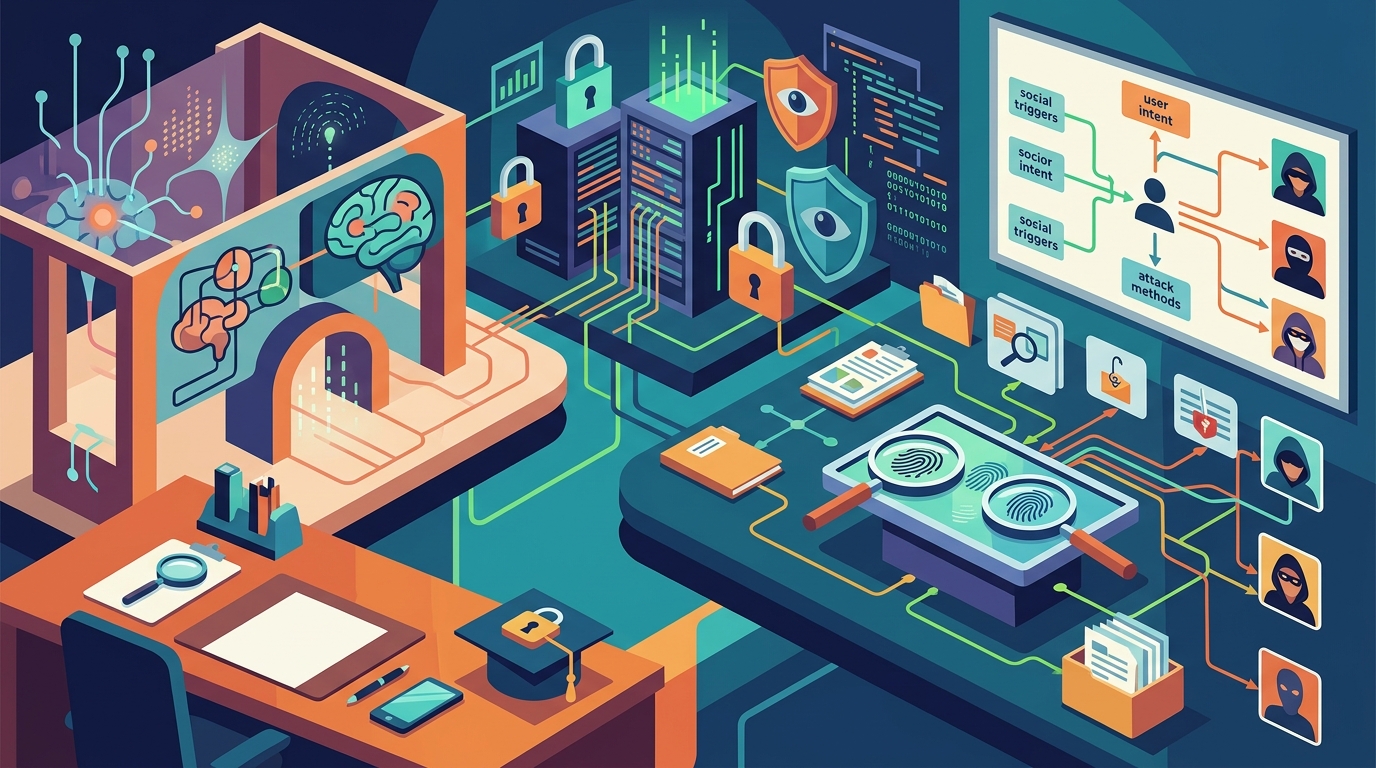
Behavioral cybersecurity is a specialized discipline that applies psychological principles to protect digital assets. It moves beyond traditional IT security by focusing on the human element of cyber threats. This includes understanding how attackers think, how employees fall victim to social engineering, and how to design systems that account for human error.
Cybercriminology, on the other hand, is the study of criminal behavior within digital environments. It draws from criminology, sociology, and psychology to analyze the motivations, patterns, and profiles of cybercriminals. Professionals in this field often work in law enforcement, private intelligence, or corporate risk management.
According to data from leading security firms, over 80% of cyber breaches involve some form of human error or social engineering. This statistic highlights the urgent need for experts who can decode human behavior in digital contexts. Traditional computer science degrees often overlook this critical dimension, leaving a significant gap in the market for behavioral specialists.
The Evidentia University Approach
Evidentia University has positioned itself at the forefront of this niche by offering a dedicated Master in Behavioral Cybersecurity & Cybercriminology. This program is designed for professionals who want to understand the psychological underpinnings of cybercrime. Unlike general IT security degrees, this master's focuses on the why behind the attack, not just the how.
The curriculum integrates advanced behavioral science with technical cybersecurity concepts. Students learn to analyze digital footprints through a psychological lens, identifying patterns that traditional forensic tools might miss. This approach is particularly valuable in cases involving complex fraud, harassment, and targeted attacks.
One of the key strengths of this program is its focus on practical application. Students engage with real-world case studies and learn to apply behavioral analysis to active investigations. This hands-on approach ensures that graduates are not just theoretically knowledgeable but practically skilled in identifying and mitigating behavioral threats.
Comparing Degree Options
When choosing a master's degree for this field, it is essential to compare the specific focus of each program. Some degrees may lean heavily into technical forensics, while others may focus on general psychology. The best choice depends on your career goals and current background.
| Degree Focus | Primary Skill Set | Best For | Example Program |
|---|---|---|---|
| Behavioral Cybersecurity | Psychological profiling, threat analysis | Security analysts, investigators | Evidentia Master's |
| Criminal Profiling | Offender profiling, crime scene analysis | Law enforcement, FBI-style roles | Master in Criminal Profiling |
| Anti-Fraud Analysis | Fraud detection, behavioral economics | Financial security, compliance | Master in Anti-Fraud Behavioral Analysis |
| Nonverbal Communication | Deception detection, body language | Interrogation, negotiation | Master in Nonverbal Behavior |
As noted in recent academic reviews, the Master in Behavioral Cybersecurity & Cybercriminology stands out for its interdisciplinary approach. It combines elements of criminology, psychology, and cybersecurity into a cohesive framework. This is particularly important because cybercrime is not just a technical issue but a human one.
Other programs, such as the Master in Criminal Profiling, may be more suitable for those interested in traditional law enforcement roles. However, for those focused on the digital realm, the behavioral cybersecurity degree offers more direct relevance. It prepares students to tackle modern threats like ransomware, phishing, and online harassment from a psychological perspective.
Career Paths and Roles
Graduates with a master's in behavioral cybersecurity and cybercriminology can pursue a variety of high-impact careers. These roles are increasingly in demand as organizations recognize the value of behavioral insights in security.
One common path is becoming a Cyber Threat Analyst. In this role, you analyze the behavior of attackers to predict future actions and prevent breaches. This requires a deep understanding of criminal psychology and digital forensics. According to industry reports, professionals with this specialized skill set command higher salaries due to their scarcity.
Another option is working as a Fraud Investigator. This role focuses on detecting and preventing financial fraud through behavioral analysis. You might work for banks, insurance companies, or specialized fraud detection firms. The Master in Anti-Fraud Behavioral Analysis is particularly relevant for this path, as it focuses on the economic and psychological drivers of fraud.
For those interested in law enforcement, roles such as Cybercrimes Specialist or Digital Forensic Analyst are viable options. These positions often require a strong foundation in criminal profiling and digital evidence collection. Evidentia University's curriculum provides the necessary training in both behavioral and technical aspects of these roles.
Additionally, some graduates move into Corporate Security Consulting. Here, you advise companies on how to protect their employees and data from behavioral threats. This could involve designing training programs to reduce phishing susceptibility or developing policies to mitigate insider threats. The ability to translate psychological insights into actionable security measures is a key differentiator in this field.
Key Takeaways
- Behavioral cybersecurity focuses on the human element of digital threats, addressing the 80% of breaches involving human error.
- Evidentia University offers a specialized Master in Behavioral Cybersecurity & Cybercriminology that integrates psychology with technical security.
- Career paths include Cyber Threat Analyst, Fraud Investigator, and Corporate Security Consultant, all of which are in high demand.
- Unlike traditional IT degrees, behavioral programs focus on the why of cybercrime, providing a unique competitive advantage.
- The field is growing rapidly, with increasing emphasis on social engineering and psychological profiling in security strategies.
- Specialized certificates, such as the Certificate in Behavioral Cybersecurity, offer a faster entry point for professionals.
- Success in this field requires a blend of analytical thinking, psychological insight, and technical understanding.
Frequently Asked Questions
What is the difference between cybersecurity and behavioral cybersecurity?
Traditional cybersecurity focuses on technical defenses like firewalls and encryption. Behavioral cybersecurity focuses on the human element, analyzing the psychology of attackers and the behavior of users to prevent breaches. It addresses the root cause of many security failures: human error and manipulation.
Is a master's degree necessary for a career in cybercriminology?
While not always strictly necessary, a master's degree significantly enhances career prospects and provides specialized knowledge. It offers a structured framework for understanding complex criminal behaviors and is often required for senior roles in law enforcement and corporate security.
How does Evidentia University's program differ from others?
Evidentia University's program is uniquely focused on the intersection of behavioral science and cybercrime. It offers specialized courses in nonverbal communication, deception detection, and geographic profiling, which are rarely found in standard cybersecurity curricula. This interdisciplinary approach prepares students for the nuanced challenges of modern cyber threats.
What kind of jobs can I get with a Master in Behavioral Cybersecurity?
Graduates can pursue roles such as Cyber Threat Analyst, Fraud Investigator, Digital Forensic Specialist, and Corporate Security Consultant. These positions are available in government agencies, private security firms, financial institutions, and technology companies.
Can I specialize in a specific area within this field?
Yes. Evidentia University offers specialized masters and certificates in areas like Anti-Fraud Behavioral Analysis, Criminal Profiling, and Nonverbal Communication. You can tailor your education to your specific career interests, whether that is financial fraud, violent cybercrime, or corporate security.
How long does it take to complete the program?
The master's degree is designed to be completed online, allowing working professionals to study at their own pace. The duration can vary depending on the course load, but it is structured to be manageable alongside a full-time job. Evidentia also offers intensive and professional certificate options for faster completion.
What skills will I gain from this degree?
You will gain skills in psychological profiling, threat analysis, deception detection, and behavioral economics. You will also develop the ability to apply these insights to digital security challenges, making you a valuable asset in preventing and investigating cybercrimes.
Next Steps
Choosing the right master's degree is a pivotal decision for your career in behavioral cybersecurity and cybercriminology. Evidentia University offers a specialized program that combines the best of behavioral science with practical cybersecurity applications. If you are ready to deepen your understanding of the human side of cyber threats, explore our academic programs today. Contact our counseling team to discuss how this degree can align with your professional goals and start your journey toward becoming a leader in this critical field.