
Mastering Sustainability: How Evidentia University's Program Prepares Students for a Career Amidst Environmental Challenges
Evidentia University, a leading institution in behavioral sciences and forensic contexts, has expanded its offerings to address the pressing issue of sustainability. The Master's in Sustainability program stands out as a comprehensive solution for students seeking to make a difference in their careers and contribute to a greener future. In this ultimate guide, we delve into the program's approach to sustainability, its relevance to current environmental challenges, and the skills students acquire to excel in their chosen careers. (About Us Evidentia University)
Evidentia University's Master's in Sustainability program is designed to provide students with a solid foundation in sustainability principles and practices. The program covers various aspects of sustainability, including: (Evidentia University Leading Forensic)
- Sustainable Energy Systems
- Sustainable Agriculture
- Waste Management
- Water Resources
- Sustainable Business Practices
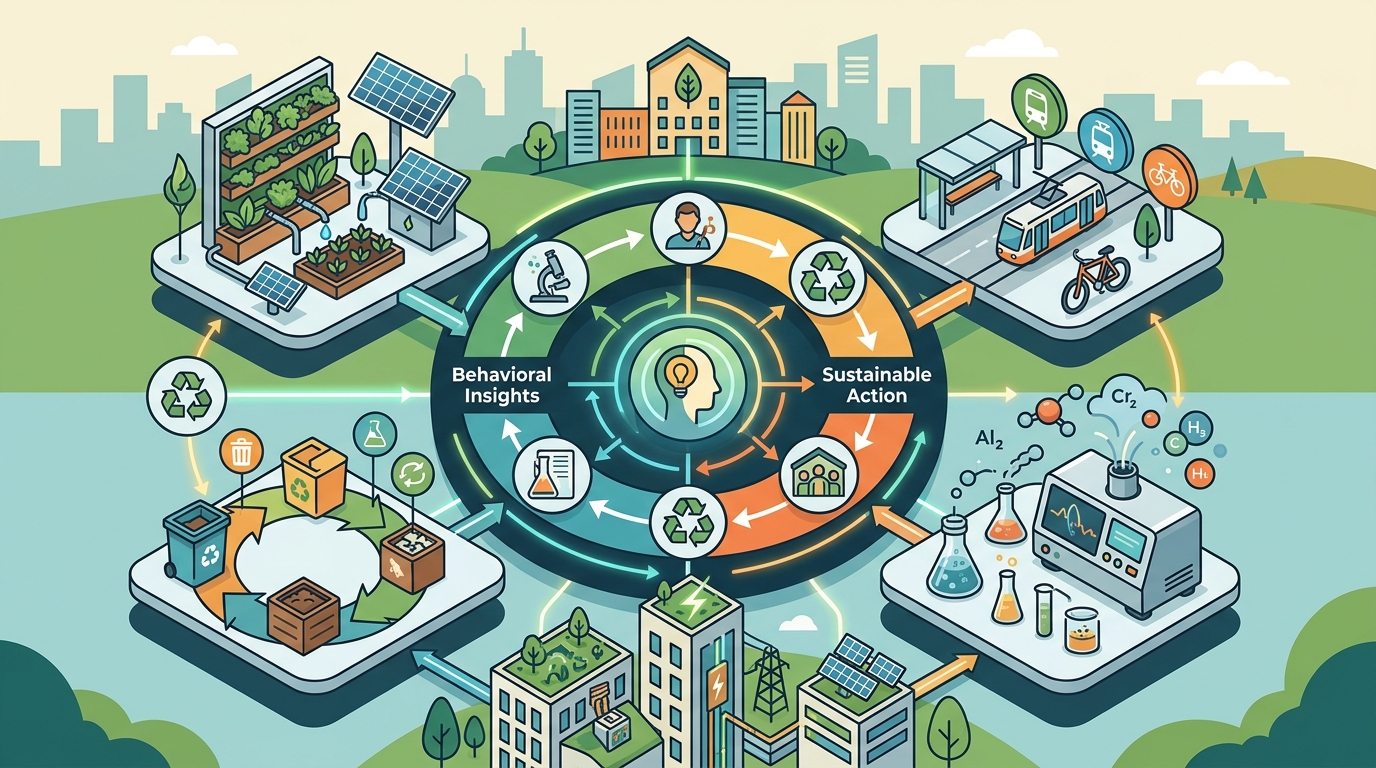
These areas of focus enable students to gain a holistic understanding of sustainability and its applications in various industries. By addressing the interconnectedness of energy, agriculture, waste management, water resources, and sustainable business practices, the program prepares students to tackle real-world challenges and contribute to a more sustainable future. (Evidentia University Leading Forensic)
Current Environmental Challenges and the Role of Master's in Sustainability Graduates (Explore 100 Online Courses)
As the world grapples with the consequences of climate change, resource depletion, and pollution, the need for professionals with a deep understanding of sustainability principles and practices becomes increasingly important. Graduates of Master's in Sustainability programs are well-positioned to address these challenges in their careers. They can: (Schools at Evidentia University)
- Develop and implement sustainable energy systems in industries and communities
- Design and manage sustainable agricultural practices
- Implement effective waste management strategies
- Preserve and manage water resources
- Promote sustainable business practices within organizations
These skills not only contribute to a greener and more sustainable future but also provide graduates with a competitive edge in the job market. According to a report by the World Economic Forum, sustainability-related jobs are projected to grow by 6% per year between 2020 and 2030, making it an attractive career choice for students.
Preparing Students for a Career in Sustainability
Evidentia University's Master's in Sustainability program goes beyond theoretical knowledge and equips students with practical skills. Students learn through:
- Real-world case studies
- Collaborative projects
- Internships and industry partnerships
- Access to cutting-edge research and technology
These experiential learning opportunities enable students to apply their knowledge to real-world situations and gain valuable industry connections. By the time they graduate, students have a solid foundation in sustainability principles and practices, making them highly sought-after professionals in their chosen fields.
In conclusion, Evidentia University's Master's in Sustainability program offers a comprehensive solution for students seeking to make a difference in their careers and contribute to a greener future. Its focus on sustainability principles and practices, relevance to current environmental challenges, and practical skills preparation sets it apart as an excellent choice for students passionate about sustainability.
Key Takeaways
- The Master's in Sustainability program covers sustainable energy systems, sustainable agriculture, waste management, water resources, and sustainable business practices.
- Graduates of the program are well-positioned to address current environmental challenges and contribute to a more sustainable future.
- The program offers experiential learning opportunities, including real-world case studies, collaborative projects, internships, and industry partnerships.
- Sustainability-related jobs are projected to grow by 6% per year between 2020 and 2030, making it an attractive career choice.
Frequently Asked Questions
What industries can Master's in Sustainability graduates work in?
Master's in Sustainability graduates can work in various industries, including energy, agriculture, waste management, water resources, and sustainable business practices.
What skills do Master's in Sustainability graduates acquire?
Master's in Sustainability graduates acquire skills in sustainable energy systems, sustainable agriculture, waste management, water resources, and sustainable business practices. They also learn practical skills through real-world case studies, collaborative projects, internships, and industry partnerships.
What is the job market like for Master's in Sustainability graduates?
The job market for Master's in Sustainability graduates is attractive, with sustainability-related jobs projected to grow by 6% per year between 2020 and 2030.
How long does it take to complete the Master's in Sustainability program?
The length of the Master's in Sustainability program varies, but it typically takes 1-2 years to complete.
What are the admission requirements for the Master's in Sustainability program?
To apply for the Master's in Sustainability program, students must have a bachelor's degree and meet the admission requirements outlined on the Evidentia University website.