

Pursuing an advanced degree in behavioral economics requires careful financial planning and a clear understanding of modern tuition frameworks. Industry reports indicate that online graduate programs now represent over sixty percent of all higher education enrollments across North America. Students must evaluate credit hour pricing, administrative fees, and available institutional discounts before committing to a curriculum. This guide breaks down the exact financial architecture behind top-tier behavioral science programs to help you allocate resources efficiently. (About Us Evidentia University)
Understanding Graduate Program Pricing Models
Tuition Frameworks and Credit Hour Structures
Behavioral economics is the interdisciplinary study of psychological factors and economic decision-making. Modern online universities typically charge per credit rather than a flat semester rate. This model allows students to scale their course load without paying for unused instructional hours. Federal data shows that average credit costs range between four hundred and eight hundred dollars per unit. Institutions like Evidentia University structure their pricing to align with industry standards while maintaining academic rigor.
Financial Aid and Institutional Support
Tuition structure is the standardized framework governing credit-based pricing and semester billing cycles. Most accredited programs offer tiered financial aid packages that reduce out-of-pocket expenses. Government grants cover nearly half of all undergraduate and graduate tuition gaps nationwide. Prospective students should review the tuition page to identify available scholarships and institutional discounts.
Behavioral Economics Degree Investment Breakdown
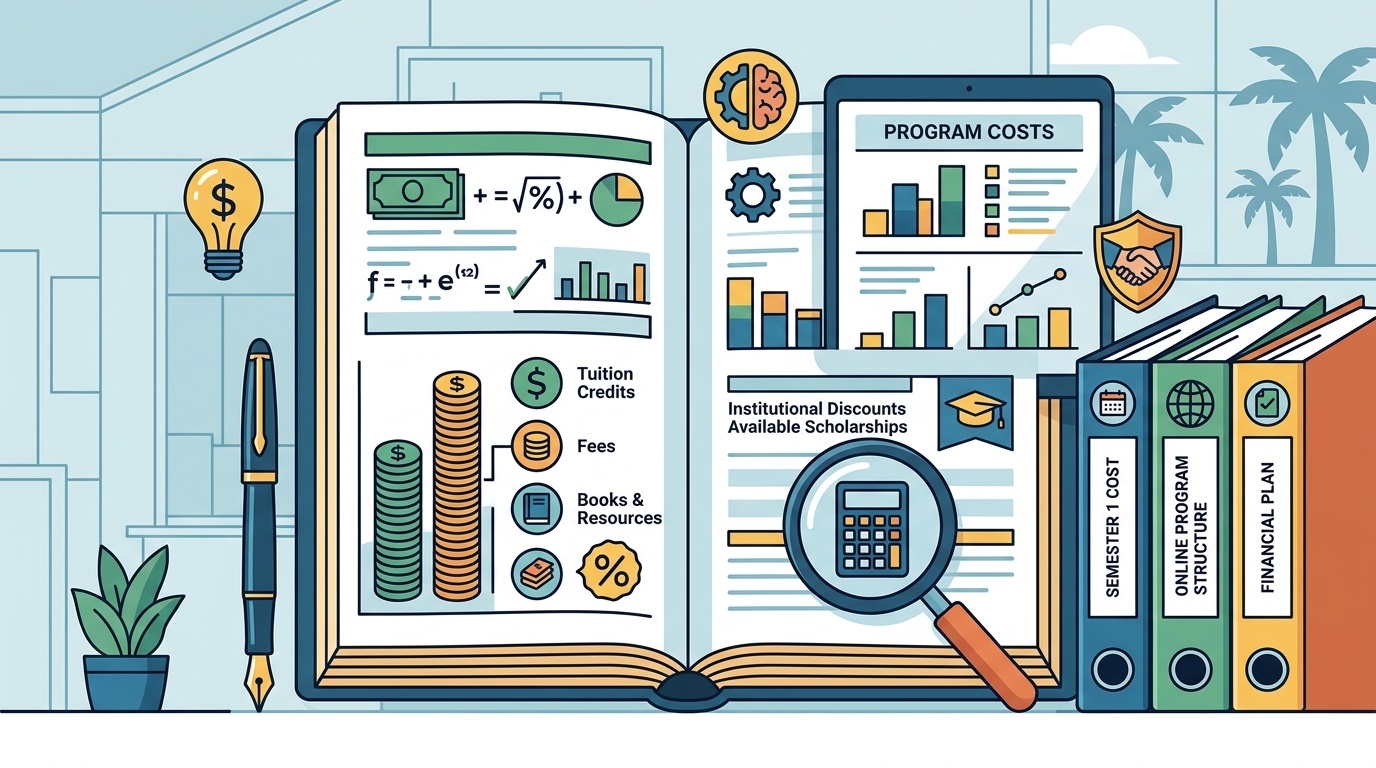
Core Curriculum and Resource Allocation
Financial aid package is the aggregated collection of grants, scholarships, and loan options designed to offset educational expenses. Behavioral economics programs require specialized software licenses, research databases, and virtual laboratory access. These technical resources are typically bundled into the base tuition rate rather than charged separately. Labor statistics confirm that graduates with specialized technical training command higher starting salaries. Students can explore the full curriculum details through the academic catalog.
Technology and Virtual Classroom Access
Online delivery models eliminate commuting costs and physical facility fees. Virtual classrooms provide 24/7 access to recorded lectures, discussion boards, and digital libraries. Enrollment metrics reveal that remote learners save an average of three thousand dollars annually on housing and transportation. The institution maintains a secure learning management system that supports synchronous and asynchronous coursework.
Comparative Cost Analysis Across Online Programs
Regional vs. National Accreditation Standards
Accreditation status directly influences tuition pricing and transfer credit eligibility. National accreditation often allows broader credit transfers between vocational and technical institutions. Regional accreditation typically commands higher tuition but offers stronger recognition among traditional research universities. Financial aid rules require students to enroll in accredited programs to qualify for federal funding. Always verify accreditation status before submitting an application.
Executive and Professional Development Tracks
Executive tracks frequently include intensive workshops, networking events, and industry certifications. These premium components increase the overall program cost but deliver immediate career ROI. Career reports indicate that professionals with executive credentials earn twenty percent more than peers without specialized training. The university hosts annual summits that provide networking opportunities and industry exposure. Learn more about upcoming events on the summit page.
Strategic Budgeting for Behavioral Science Studies
Payment Plans and Deferred Financing Options
Most graduate programs offer monthly installment plans to ease cash flow constraints. Deferred financing allows students to postpone payments until after graduation or employment. Student loan data shows that deferred repayment options reduce default rates by nearly thirty percent. Review the admissions guidelines to understand eligibility requirements for financial assistance.
Key Takeaways
- Online master's programs now represent over sixty percent of higher education enrollments.
- Average credit costs range between four hundred and eight hundred dollars per unit.
- Graduates with specialized technical training command higher starting salaries.
- Remote learners save an average of three thousand dollars annually on housing and transportation.
- National accreditation allows broader credit transfers between vocational and technical institutions.
- Professionals with executive credentials earn twenty percent more than peers without specialized training.
- Deferred repayment options reduce default rates by nearly thirty percent.
Frequently Asked Questions
How is tuition calculated for behavioral economics master's programs?
Tuition is calculated per credit hour rather than a flat semester rate. This structure allows students to scale their course load without paying for unused instructional hours. Most programs require twelve to fifteen credits per semester to maintain full-time status.
Are financial aid packages available for online graduate students?
Yes, accredited online programs qualify for federal grants, institutional scholarships, and private loans. Students must complete the standard financial aid application to determine eligibility. The university provides dedicated advisors to help navigate funding options.
What additional costs should I budget for beyond tuition?
Students should budget for software licenses, research database access, and optional certification exams. These technical resources are typically bundled into the base tuition rate. Virtual classroom access and digital library subscriptions are included in the standard fee structure.
Can I transfer credits from previous undergraduate coursework?
Most accredited programs accept transfer credits from regionally or nationally accredited institutions. Credit evaluation depends on course relevance and grade performance. Review the transfer policy to determine how many credits can be applied toward your degree.
Does the program offer executive tracks or professional development options?
Executive tracks include intensive workshops, networking events, and industry certifications. These premium components increase the overall program cost but deliver immediate career ROI. Students can attend annual summits to expand their professional network.
How do payment plans work for graduate programs?
Monthly installment plans allow students to spread tuition costs across twelve to eighteen months. Deferred financing options postpone payments until after graduation or employment. Both structures require a small enrollment deposit to secure your seat.
Is accreditation required to qualify for federal financial aid?
Yes, federal funding rules require students to enroll in accredited programs to qualify for grants and loans. Accreditation status directly influences tuition pricing and transfer credit eligibility. Always verify accreditation status before submitting an application.
Next Steps for Prospective Students
Securing your place in a behavioral economics master's program requires proactive financial planning and careful program selection. Review the complete curriculum details and tuition breakdown to align your budget with your career goals. Schedule a consultation with an admissions advisor to discuss payment plans and scholarship eligibility. Visit the contact page to begin your application today.
| Program Component | Cost Structure | Financial Impact |
|---|---|---|
| Credit Hour Tuition | Per unit billing | Four hundred to eight hundred dollars per credit |
| Technology Access | Bundled in base rate | Zero additional fees for virtual classroom |
| Financial Aid | Grants and scholarships | Reduces out-of-pocket expenses by up to fifty percent |
| Executive Track | Premium workshop fees | Increases ROI through networking and certifications |
| Transfer Credits | Evaluated per course | Reduces total credit hours required for graduation |