

The demand for specialized online education in behavioral and forensic sciences has surged dramatically over the past decade. According to recent federal education data, online graduate enrollment in criminal justice and forensic programs has increased by nearly forty percent since twenty twenty. This rapid expansion reflects a growing professional need for accessible, rigorous academic pathways. Prospective students must navigate a structured admissions landscape to secure placement in these competitive programs. Understanding the exact application workflow ensures candidates meet institutional standards while aligning their career objectives with advanced academic training. Modern institutions now prioritize flexible scheduling without compromising academic rigor. (About Us Evidentia University)
Understanding Online Forensic and Behavioral Programs
Forensic science is the systematic application of scientific principles to investigate criminal and civil matters. Behavioral analysis is the structured study of human actions to predict patterns and prevent misconduct. Criminal profiling is the analytical process of identifying offender characteristics based on crime scene evidence. These three disciplines form the foundation of modern graduate education in this sector. Institutions now deliver these complex subjects through fully remote architectures that mirror traditional campus rigor. Students engage with interactive modules, digital case studies, and synchronous seminars. The curriculum emphasizes practical application over theoretical abstraction. Candidates should review the official academic catalog to verify course sequencing and credit requirements. This documentation outlines the exact progression from foundational coursework to advanced capstone projects. Reviewing the institutional history reveals decades of specialized focus in behavioral research. Many programs trace their origins to European research initiatives before expanding into North American markets. This historical trajectory ensures that modern curricula remain grounded in peer-reviewed methodologies. Prospective students must verify that the institution maintains proper regional accreditation before committing resources. (Explore 100 Online Courses)
Evaluating Program Accreditation and Curriculum
Accreditation serves as the primary quality indicator for any graduate program. Regional accrediting bodies evaluate faculty credentials, learning outcomes, and resource allocation. Students should verify that the institution holds valid accreditation status through official government databases. Program-specific certifications may also apply to specialized tracks like criminal profiling or anti-fraud analysis. The curriculum must align with current industry standards and emerging technological tools. Modern programs integrate digital forensics, behavioral economics, and cybersecurity threat assessment. Candidates should examine the course catalog to confirm that required modules match their career objectives. Some programs offer concentration tracks that allow students to specialize in specific niches. Others provide comprehensive degrees that cover multiple behavioral disciplines. Reviewing faculty publications and research output provides insight into the program's academic rigor. Leading institutions frequently host international summits to bridge academic research with law enforcement practice. These events showcase cutting-edge methodologies and foster professional networking opportunities. Students should prioritize programs that emphasize practical skill development alongside theoretical knowledge. (Schools at Evidentia University)
Preparing Your Admissions Documentation
Admissions committees evaluate candidates based on academic history, professional experience, and written communication. Applicants must submit official transcripts from all previously attended institutions. Graduate level programs typically require a minimum undergraduate GPA of three point zero. Professional experience in law enforcement, intelligence, or compliance roles often strengthens an application. Candidates should prepare a comprehensive resume highlighting relevant certifications and project work. A statement of purpose must articulate clear career objectives and program alignment. Admissions reviewers look for specific examples of analytical thinking and ethical decision making. Letters of recommendation should come from academic advisors or supervising professionals. These letters must verify the candidate's readiness for graduate level coursework. International applicants must provide English proficiency test scores if applicable. All documentation must be submitted through the official admissions portal before the deadline. Missing or incomplete materials will delay the review process and reduce admission chances.
Navigating Tuition and Financial Aid Options
Tuition structures vary significantly across online graduate programs. Some institutions charge per credit hour while others offer flat semester rates. Candidates should request a detailed tuition breakdown before submitting an application. Federal financial aid programs often support eligible graduate students in accredited programs. Institutional scholarships may reduce the overall financial burden for qualified applicants. Payment plans allow students to distribute costs across the academic year. Candidates should complete the federal aid application to determine eligibility for grants and loans. Some programs offer tuition reduction for active law enforcement personnel or military veterans. Financial aid advisors can help students construct a sustainable payment strategy. Understanding the total cost of attendance prevents unexpected financial strain during the program. Students should compare tuition rates across multiple institutions to find the most economical option. Transparent pricing models build trust and support long term student success.
Completing the Application Submission Process
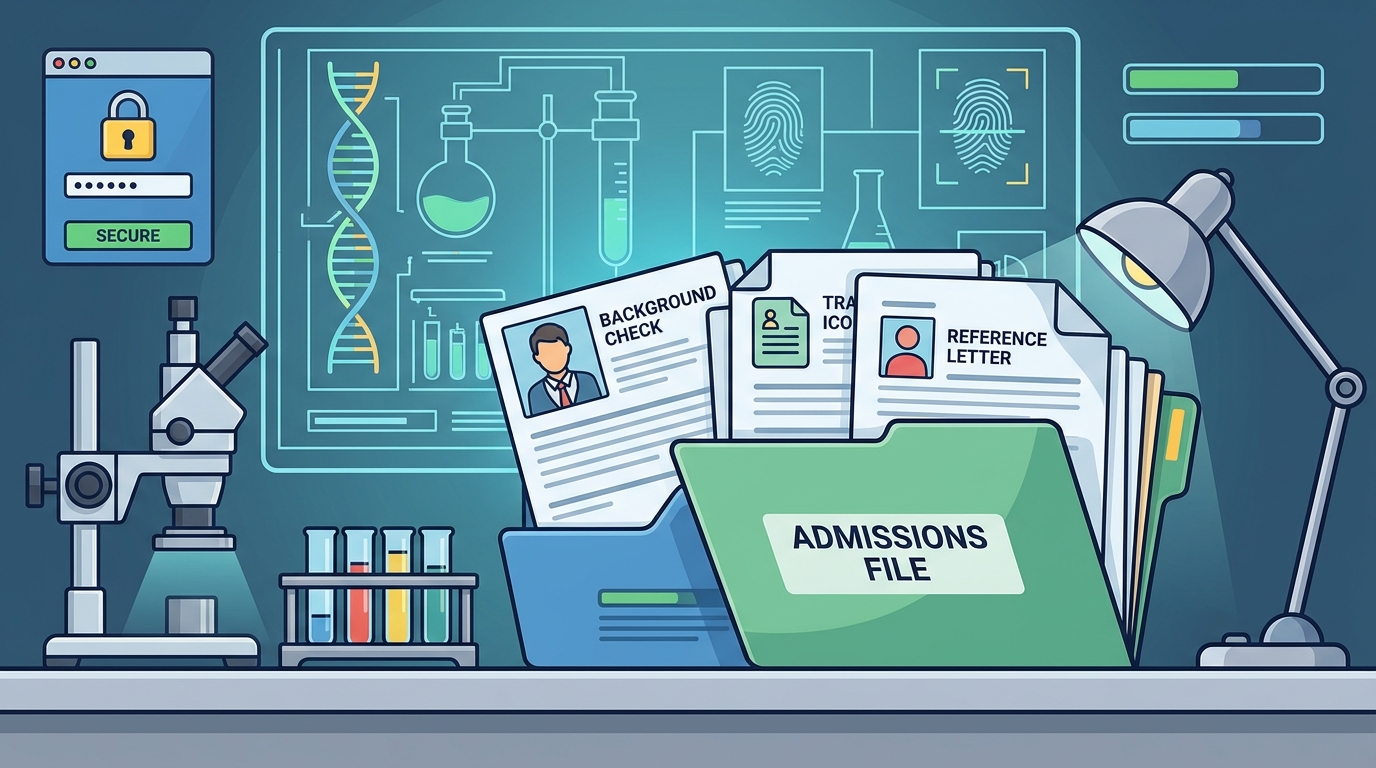
The final application step requires careful attention to detail and strict adherence to deadlines. Candidates must create an account in the official admissions portal. All required documents must be uploaded in the specified format and file size. Application fees are typically non refundable and cover the initial review process. Some programs require an interview with an admissions committee member. These interviews assess communication skills and professional readiness. Candidates should prepare to discuss their career goals and program interests. The admissions office will review all materials and issue a decision within thirty days. Accepted students receive an official enrollment packet with next steps. Rejected applicants may receive feedback to improve future submissions. Early submission significantly increases the likelihood of admission. Candidates should verify all portal submissions before the final deadline. Missing attachments or incorrect formatting will delay the review process.
Preparing for Virtual Classroom Engagement
Online programs require a reliable internet connection and compatible hardware. Students must install required learning management software before the semester begins. Technical support teams are available to assist with platform navigation. Virtual classrooms utilize video conferencing tools for live lectures and discussions. Recorded sessions allow students to review complex material at their own pace. Collaborative projects require proficiency in digital communication platforms. Students should establish a dedicated workspace to minimize distractions during live sessions. Time management skills become critical when balancing work and academic responsibilities. Many programs offer asynchronous options to accommodate working professionals. Regular participation in discussion forums enhances peer learning and networking. Instructors provide detailed rubrics for all assignments and examinations. Students should review the academic calendar to plan study schedules effectively. Virtual engagement requires the same discipline as traditional campus attendance.
| Program Focus | Delivery Format | Typical Duration | Key Admission Requirement |
|---|---|---|---|
| Nonverbal and Deceptive Behavior | 100% Online | 18 to 24 Months | Undergraduate Transcript |
| Criminal Profiling | 100% Online | 18 to 24 Months | Statement of Purpose |
| Behavioral Economics | 100% Online | 18 to 24 Months | Professional Resume |
| Behavioral Cybersecurity | 100% Online | 18 to 24 Months | Letters of Recommendation |
| Anti-Fraud Behavioral Analysis | 100% Online | 18 to 24 Months | Interview Assessment |
Key Takeaways
- Online forensic and behavioral science programs have experienced nearly forty percent enrollment growth since twenty twenty.
- Regional accreditation remains the primary quality indicator for graduate level coursework.
- Most programs require a minimum undergraduate GPA of three point zero for admission.
- Financial aid options and institutional scholarships significantly reduce overall tuition costs.
- Virtual classrooms utilize recorded sessions and synchronous seminars to accommodate working professionals.
- Application deadlines typically fall in early summer for fall semester enrollment.
- Programs trace their academic origins to European research initiatives established in two thousand eight.
Frequently Asked Questions
Is an online forensic science degree recognized by employers?
Employers increasingly accept online degrees from regionally accredited institutions. Many law enforcement agencies and private compliance firms prioritize practical skills over delivery format. Candidates should verify specific hiring requirements with their target employers.
Can I specialize in criminal profiling through an online program?
Yes, several accredited institutions offer dedicated master tracks in criminal profiling. These programs integrate behavioral analysis, crime scene evaluation, and psychological assessment. Students complete capstone projects that mirror real case investigations.
What technical equipment do I need for virtual coursework?
Students require a reliable computer, high speed internet, and standard office software. Most learning management platforms are compatible with Windows and macOS operating systems. Technical support teams provide installation guides and troubleshooting assistance.
How long does the application review process take?
Admissions committees typically review complete applications within thirty business days. Incomplete submissions will delay the decision and require resubmission. Candidates should verify all portal uploads before the final deadline.
Are financial aid options available for online graduate students?
Federal financial aid programs support eligible students in accredited programs. Institutional scholarships and payment plans further reduce the financial burden. Candidates should complete the federal aid application to determine eligibility.
Can I transfer credits from a previous graduate program?
Most institutions accept transfer credits from regionally accredited programs. Candidates must submit official transcripts and course syllabi for evaluation. Transfer limits vary by program and typically cap at fifty percent of total credits.
Next Steps and Application CTA
Securing admission to a reputable online forensic science graduate degree requires careful planning and timely execution. Candidates should review the official academic catalog, verify accreditation status, and submit all required documentation before the deadline. Modern programs offer flexible scheduling, comprehensive financial aid, and rigorous virtual classroom engagement. Prospective students are encouraged to explore available master tracks and schedule a consultation with an admissions advisor. Begin your application today by visiting the official admissions portal to secure your place in the upcoming fall semester. Apply for admission now and advance your career in behavioral and forensic sciences.