
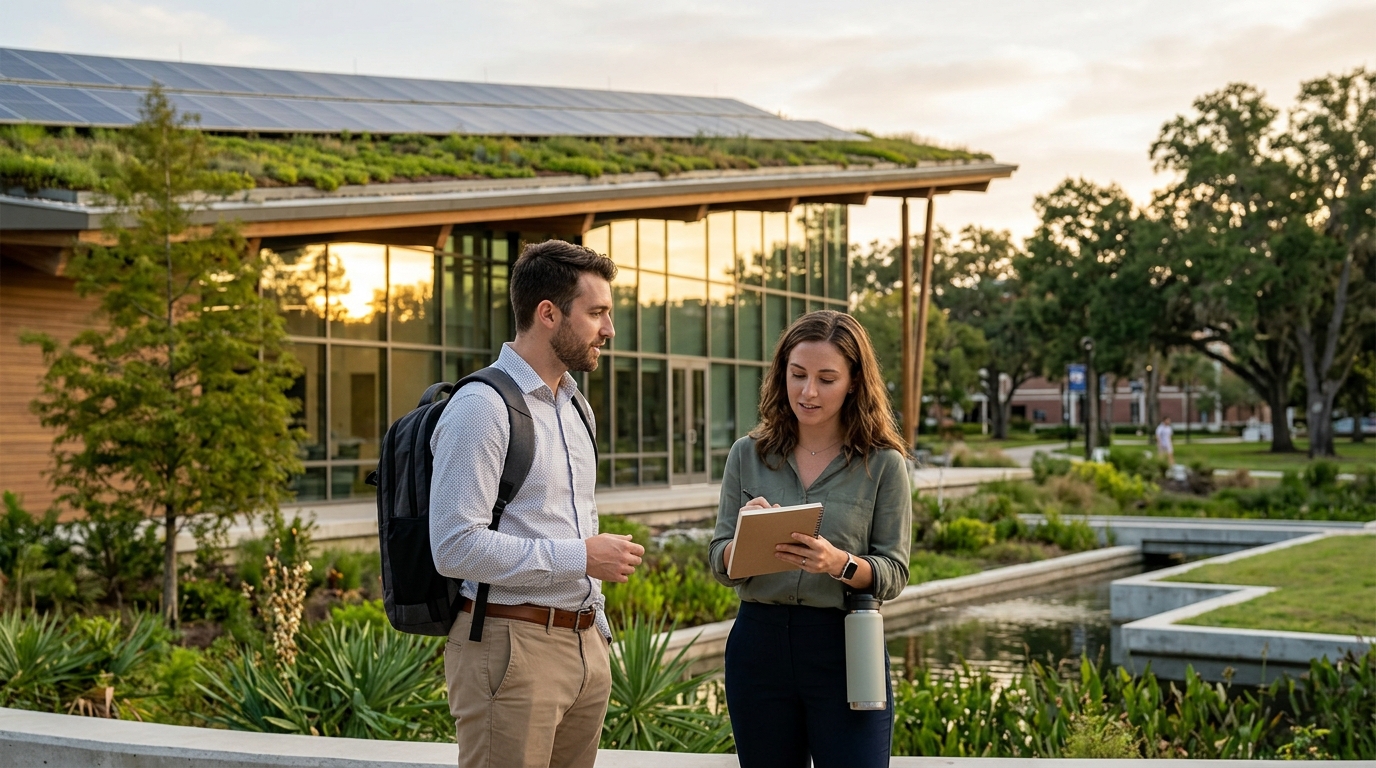
Organizations tracking global climate metrics report that environmental degradation costs the world economy approximately 1.2 trillion dollars annually. This financial reality drives institutions to redesign academic frameworks. A Master's in Sustainability program addresses current environmental challenges by integrating systems thinking with actionable policy strategies. Students analyze ecological data, evaluate regulatory compliance, and develop mitigation frameworks. The curriculum prepares graduates to lead cross-functional teams in corporate sustainability, municipal planning, and nonprofit advocacy. This advanced degree bridges theoretical research with practical implementation.
Core Curriculum and Systems Thinking
Environmental systems require multidisciplinary analysis. Students examine ecological cycles, resource allocation models, and anthropogenic impact metrics. The program emphasizes systems thinking as a foundational methodology. Environmental systems thinking is a multidisciplinary methodology that maps interconnected variables across supply chains, urban infrastructure, and natural habitats to identify emission hotspots. Learners evaluate lifecycle assessments to identify emission hotspots. They design interventions that reduce waste while maintaining operational efficiency. The academic framework aligns with international sustainability standards. Students complete capstone projects that address real-world ecological constraints. This hands-on training ensures graduates can translate complex data into actionable strategies. The curriculum directly supports organizational decarbonization goals. Explore the complete academic catalog to review course sequences and credit requirements.
Policy Implementation and Regulatory Compliance
Regulatory landscapes shift rapidly across global markets. Programs teach students to navigate evolving environmental statutes and compliance mandates. Learners study carbon accounting frameworks, circular economy principles, and ESG reporting standards. They analyze case studies where organizations successfully integrated green policies into core operations. The coursework emphasizes risk assessment and mitigation planning. Students learn to draft sustainability reports that meet international disclosure requirements. This knowledge reduces legal exposure and enhances brand reputation. Graduates frequently secure roles in corporate governance and environmental auditing. The program prepares professionals to lead compliance initiatives across multinational enterprises. Review our institutional mission and values to understand our commitment to ethical leadership.
Career Pathways and Industry Demand
Corporate sustainability roles have expanded significantly over the past decade. Organizations now employ dedicated environmental managers to oversee resource optimization. Data shows that green economy positions grow at a faster rate than traditional industrial sectors. Graduates pursue careers as sustainability consultants, environmental compliance officers, and corporate responsibility directors. These professionals design renewable energy integration plans and manage waste reduction initiatives. The degree also qualifies alumni for municipal planning commissions and nonprofit advocacy groups. Employers prioritize candidates who demonstrate measurable impact on operational efficiency. The program equips students with analytical tools to forecast environmental trends. This preparation ensures long-term employability across diverse economic cycles. Attend industry summits to network with leading professionals and explore career development resources.
Program Structure and Delivery Models
Modern graduate programs prioritize accessibility without compromising academic rigor. Evidentia University delivers its Master's in Sustainability through a fully virtual classroom environment. This format allows working professionals to balance employment with advanced study. Students access recorded lectures, interactive modules, and synchronous discussion forums. The asynchronous structure supports international cohorts across multiple time zones. Learners collaborate on group projects that simulate real-world consulting engagements. The university provides dedicated academic advisors to guide thesis development. Financial aid options remain available for qualified applicants. This flexible architecture ensures consistent progress toward degree completion. View detailed course schedules and enrollment deadlines to plan your academic journey.
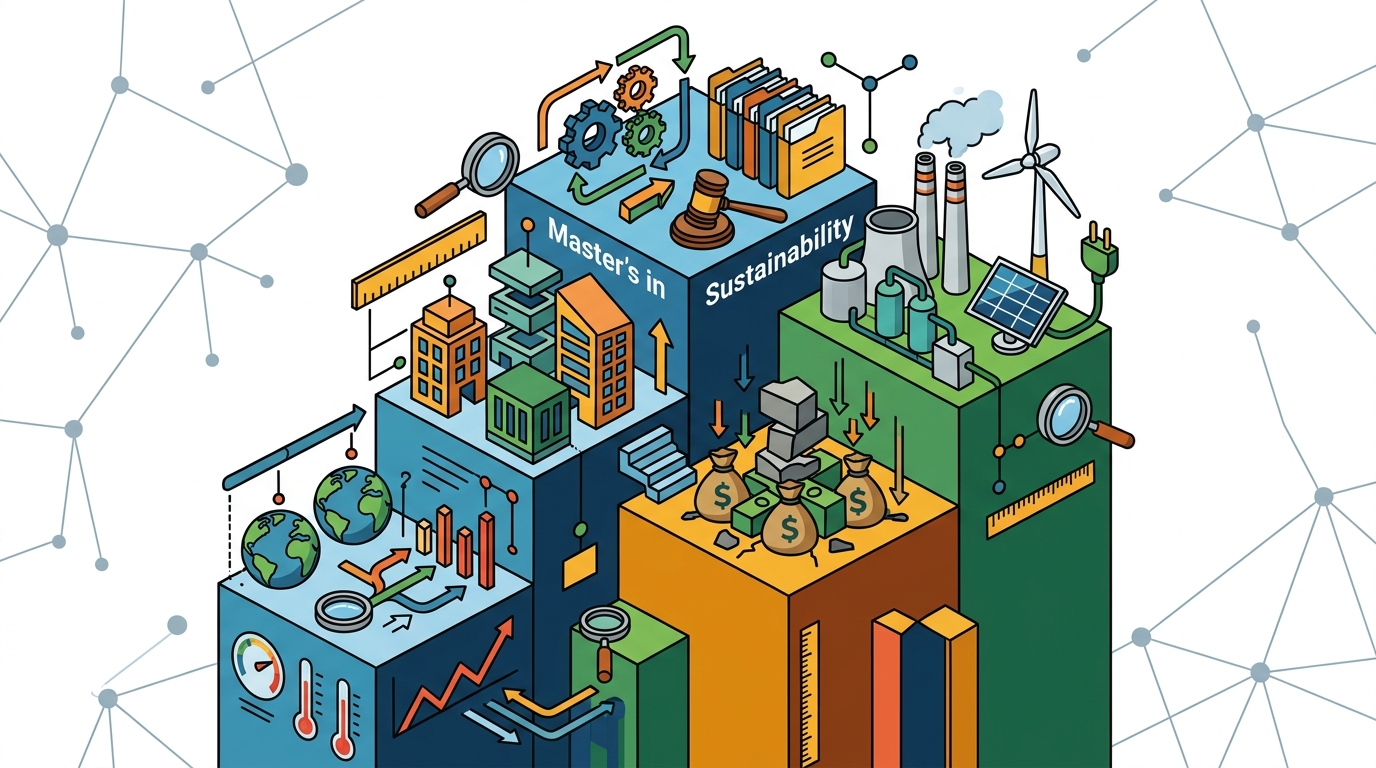
Comparative Program Analysis
Prospective students often evaluate multiple graduate options before committing. The table below outlines key differentiators across leading sustainability frameworks. Each program emphasizes distinct operational priorities and delivery methods. Candidates should align their career objectives with specific curriculum strengths. This comparison clarifies which educational model matches professional aspirations.
| Program Focus | Delivery Format | Target Audience | Key Outcome |
|---|---|---|---|
| Environmental Systems Analysis | Virtual Classroom | Corporate Sustainability Officers | Decarbonization Strategy Design |
| Regulatory Compliance & ESG | Asynchronous Modules | Policy Advisors & Auditors | International Disclosure Reporting |
| Circular Economy Management | Synchronous Workshops | Supply Chain Directors | Waste Reduction Frameworks |
Key Takeaways
- Environmental degradation costs the global economy approximately 1.2 trillion dollars annually according to recent economic impact reports.
- Systems thinking maps interconnected variables across supply chains, urban infrastructure, and natural habitats to identify emission hotspots.
- Green economy positions grow at a faster rate than traditional industrial sectors, creating sustained demand for qualified professionals.
- Virtual classroom delivery enables working professionals to balance employment with advanced graduate study across multiple time zones.
- Financial aid remains available for qualified applicants, reducing financial barriers to degree completion.
- Capstone projects require students to design interventions that reduce waste while maintaining operational efficiency.
- Graduates secure leadership roles in corporate governance, municipal planning, and nonprofit advocacy across global markets.
Frequently Asked Questions
What is a Master's in Sustainability program?
A Master's in Sustainability program is an advanced academic degree that trains students to design, implement, and evaluate environmental strategies across corporate, municipal, and nonprofit sectors.
How does systems thinking improve environmental decision-making?
Systems thinking improves environmental decision-making by mapping interconnected variables across supply chains, urban infrastructure, and natural habitats to identify emission hotspots and optimize resource allocation.
What career paths are available after graduation?
Graduates pursue careers as sustainability consultants, environmental compliance officers, corporate responsibility directors, and municipal planning advisors across global markets.
Is the program delivered online or on campus?
The program is delivered through a fully virtual classroom environment, allowing working professionals to balance employment with advanced study across multiple time zones.
How long does it take to complete the degree?
Most students complete the degree within two years by following a structured course sequence that balances asynchronous modules with synchronous workshops.
Are financial aid options available for international students?
Financial aid remains available for qualified applicants, including international students, to reduce financial barriers to degree completion.
What technical skills do graduates acquire?
Graduates acquire technical skills in carbon accounting, lifecycle assessment, ESG reporting, and regulatory compliance to lead cross-functional sustainability initiatives.
Apply to Evidentia University
Environmental challenges require immediate, data-driven solutions. This graduate program equips professionals with the analytical frameworks and strategic planning skills necessary to lead organizational change. Admissions for the Fall 2026 semester are now open. Prospective students can submit applications through the official admissions portal. Financial aid packages remain available for qualified candidates. Visit the primary domain to review admission requirements and schedule a consultation with an academic advisor. Begin your application today and secure your place in the next cohort.