

Applying for a graduate degree in behavioral or forensic sciences requires strategic planning and precise documentation. According to recent workforce projections, specialized analytical roles are projected to grow by 14 percent over the next decade. This expansion reflects a broader institutional shift toward data-driven investigative methodologies. Prospective students must navigate standardized application protocols while aligning their academic backgrounds with program prerequisites. Understanding these procedural requirements ensures a streamlined admission process. Institutions now prioritize candidates who demonstrate clear research objectives and ethical compliance.
Evaluate Program Accreditation and Curriculum Alignment
Verify Institutional Credentials
First, you must confirm that the target university holds recognized regional accreditation. This credential guarantees that your credits will transfer and that employers will recognize your credentials. You should review the official academic catalog to verify course structures. A comprehensive academic catalog typically outlines core competencies and elective pathways. Behavioral science is the systematic study of human actions and cognitive processes. You must ensure the curriculum covers statistical analysis, ethical research design, and advanced observational techniques.
Assess Delivery Format and Flexibility
Online programs require self-discipline and reliable technical infrastructure. You should verify that the platform supports synchronous lectures and asynchronous discussion boards. Many institutions now integrate virtual simulation labs for behavioral observation. Reviewing the academic resources page reveals how the university structures its virtual classroom. You will need to confirm bandwidth requirements and software compatibility before enrollment.
Prepare Standardized Testing and Academic Records
Compile Official Transcripts
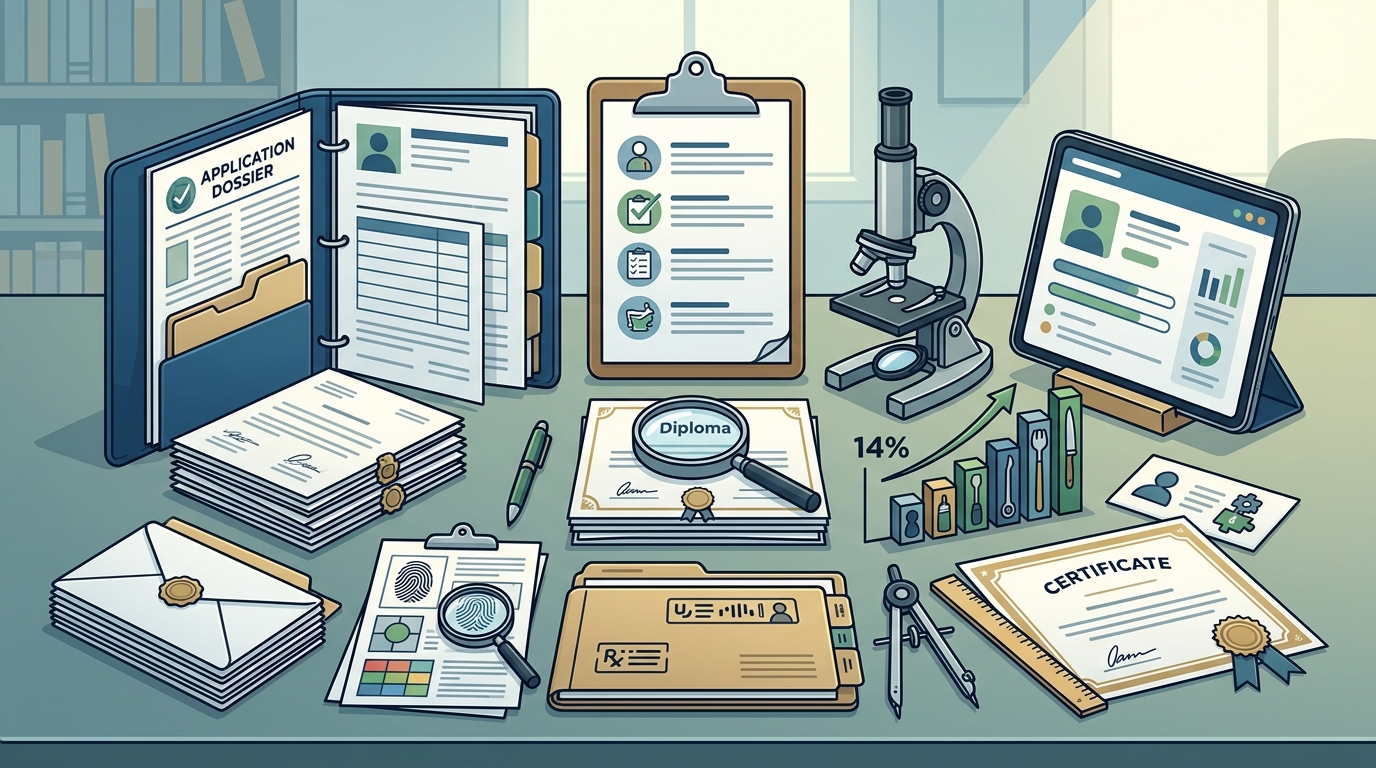
Admissions committees require official transcripts from every accredited institution you previously attended. You must request these documents directly from the registrar. Delayed transcript submissions frequently cause application rejections. Ensure your undergraduate GPA meets the minimum threshold, which typically ranges between 3.0 and 3.5. Some programs waive standardized testing requirements if your cumulative score exceeds a specific benchmark. You should verify current testing policies on the official admissions portal.
Submit Required Examination Scores
Many graduate programs require the GRE or a specialized behavioral science assessment. You must register for the exam at least three months before your intended start date. Test scores remain valid for five years. You should aim for a quantitative score that demonstrates analytical proficiency. If your program emphasizes criminal profiling, expect additional writing samples that assess logical reasoning. Review the course requirements to identify specific testing mandates.
Draft Targeted Statements of Purpose
Your personal statement serves as the primary differentiator among qualified applicants. You must articulate your research interests with precision. Committees evaluate your ability to synthesize theoretical frameworks with practical applications. You should avoid generic career objectives and instead highlight specific methodological interests. A well-crafted statement demonstrates your readiness for advanced scholarly work. You can find guidance on essay structure by visiting the main admissions portal.
Align Research Interests with Faculty Expertise
Identify three to five faculty members whose publications match your proposed research direction. You must reference their recent publications to demonstrate genuine engagement with the department. This alignment significantly increases your acceptance probability. You should also mention how your background prepares you for rigorous fieldwork. Admissions committees prioritize candidates who contribute to ongoing departmental research initiatives.
Secure Professional References and Background Checks
Most programs require three letters of recommendation from academic or professional supervisors. You must request these letters at least four weeks before the deadline. Provide your recommenders with your current resume and a draft of your statement of purpose. This preparation enables them to write highly specific endorsements. You should verify whether the university conducts mandatory background screenings. Many forensic programs require fingerprinting and clearance checks before matriculation.
Complete Compliance and Clearance Procedures
Background investigations verify your eligibility to handle sensitive research data. You must submit to criminal history checks and financial responsibility reviews. These procedures protect institutional assets and research participants. You should allocate additional time for state-level clearance processing. Delays frequently occur when previous employers fail to respond promptly. You can review compliance guidelines on the about page to understand institutional expectations.
Complete Financial Aid and Tuition Verification
Graduate education requires careful budget planning and strategic funding allocation. You must complete the FAFSA or equivalent financial aid application by the priority deadline. Many universities offer merit-based scholarships for high-GPA candidates. You should also explore grant opportunities from professional behavioral science associations. Review the official tuition and financial aid documentation to calculate your total investment. Early financial planning prevents enrollment delays.
Compare Online Graduate Program Structures
| Program Focus | Typical Duration | Core Methodology | Admission Requirement |
|---|---|---|---|
| Criminal Profiling | 18 to 24 months | Behavioral analysis and crime scene reconstruction | Official catalog review |
| Behavioral Economics | 12 to 18 months | Decision science and market psychology | Academic prerequisites |
| Forensic Cybersecurity | 24 to 30 months | Digital forensics and threat modeling | Technical assessment |
| Nonverbal Communication | 12 to 15 months | Observational psychology and deception detection | Portfolio submission |
Key Takeaways
- Regional accreditation remains the primary indicator of program legitimacy and employer recognition.
- Official transcripts must be submitted directly from accredited institutions to avoid processing delays.
- Statements of purpose require explicit alignment with current faculty research publications.
- Background screenings and fingerprinting are mandatory for all forensic science tracks.
- Financial aid applications require submission before priority deadlines to secure merit scholarships.
- Virtual classroom infrastructure demands verified bandwidth and compatible software configurations.
- Program completion typically ranges from 12 to 30 months depending on course load.
Frequently Asked Questions
What GPA is required for online forensic science programs?
Most accredited institutions require a minimum undergraduate GPA of 3.0 on a 4.0 scale. Some competitive tracks may request a 3.5 or higher. You can request a provisional admission if your GPA falls slightly below the threshold while demonstrating strong professional experience.
Do I need to take the GRE for behavioral science degrees?
Many modern programs have waived the GRE requirement to reduce application barriers. You should verify current testing policies directly with the admissions office. Strong undergraduate transcripts and professional experience often substitute for standardized exam scores.
How long does the application review process take?
Admissions committees typically review complete applications within four to six weeks. Incomplete submissions or missing transcripts will extend this timeline significantly. You should monitor your applicant portal for status updates and document requests.
Can I transfer previous graduate credits to a new program?
Most universities accept transfer credits from regionally accredited institutions. You must submit official syllabi and course descriptions for evaluation. Credit transfers rarely exceed 50 percent of the total degree requirements.
What technical equipment do I need for online coursework?
You will require a reliable computer, high-speed internet connection, and compatible video conferencing software. Some programs mandate specific statistical analysis packages or observation recording tools. You should verify technical specifications before your first semester begins.
Are online degrees recognized by law enforcement agencies?
Accredited online degrees are fully recognized by federal and state agencies. You must ensure your program includes practical fieldwork or supervised practicum hours. Many agencies prioritize candidates with verified research experience and ethical compliance training.
Begin Your Graduate Application Today
Navigating the admissions process requires precision and strategic preparation. You should review the official application portal to access current deadlines and document checklists. Our admissions team provides personalized guidance for every prospective student. You can schedule a confidential consultation to discuss your academic background and career objectives. Secure your place in the upcoming Fall 2026 cohort by submitting your complete application package today.