

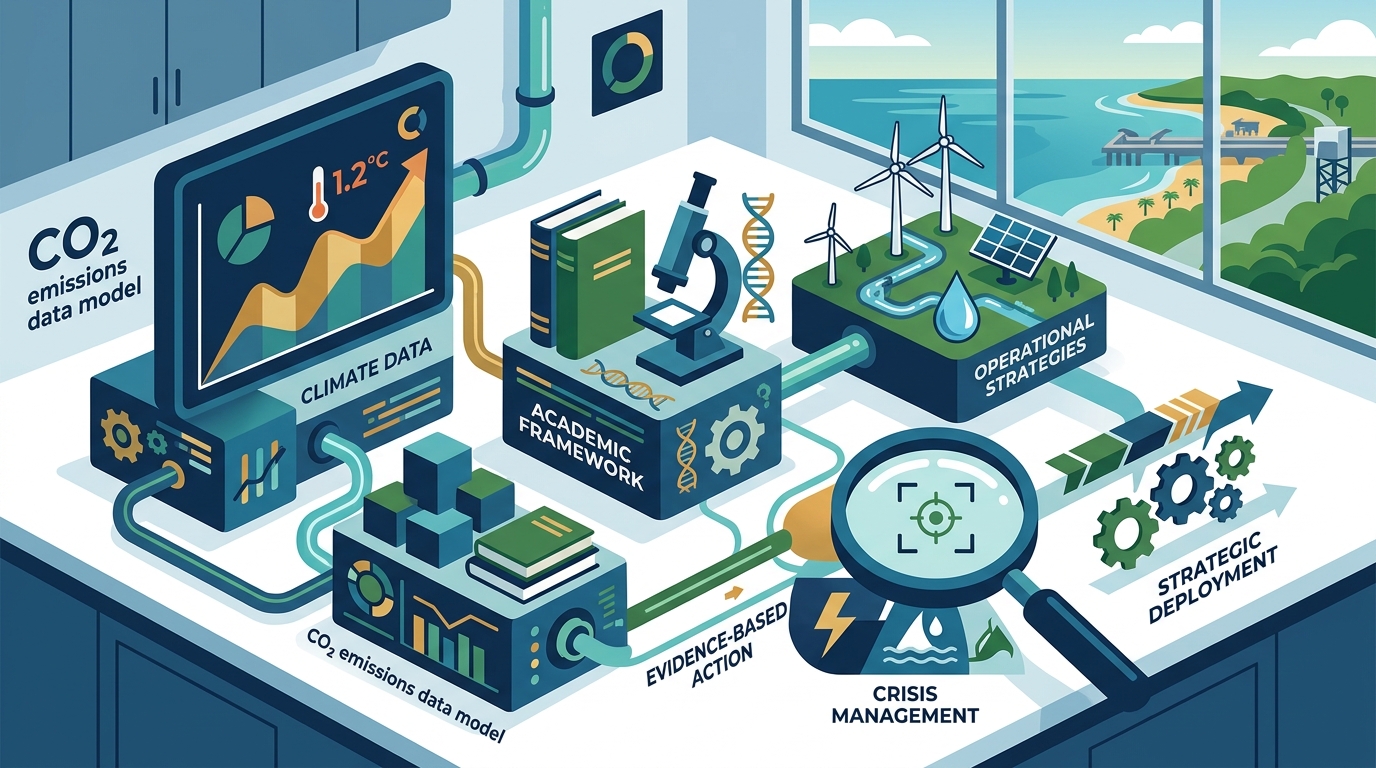
Global ecological systems face unprecedented stress, with climate data indicating a 1.2 degree Celsius rise in average surface temperatures since pre-industrial eras. Organizations now demand professionals who can translate complex environmental metrics into actionable operational strategies. A Master's in Sustainability program directly bridges this gap by merging rigorous academic frameworks with practical crisis management protocols. Students learn to navigate regulatory landscapes while designing resilient infrastructure models. This specialized graduate pathway transforms theoretical ecological concepts into measurable career readiness.
Core Curriculum and Ecological Frameworks
Graduate sustainability education requires a multidisciplinary approach that extends beyond basic environmental science. The curriculum integrates systems analysis, policy evaluation, and economic modeling to create comprehensive problem-solving frameworks. Sustainability is the systematic management of natural resources to ensure long-term ecological balance and economic viability. Students engage with advanced coursework that examines carbon footprint reduction, circular economy principles, and regulatory compliance standards. Faculty members emphasize data-driven decision making, ensuring graduates can interpret complex environmental datasets accurately. This academic foundation prepares learners to tackle multifaceted ecological issues without relying on outdated methodologies.
Systems Thinking Integration
Modern environmental challenges rarely exist in isolation. Water scarcity, soil degradation, and atmospheric pollution frequently intersect within shared geographic regions. Programs teach students to map these interconnected variables using predictive modeling software and geographic information systems. Learners analyze how policy shifts in one sector trigger cascading effects across agricultural and industrial supply chains. This holistic perspective eliminates siloed thinking and fosters adaptive management strategies. Graduates consistently demonstrate the ability to design interventions that address root causes rather than temporary symptoms.
Policy and Regulatory Alignment
Environmental compliance requires precise knowledge of international treaties and municipal zoning laws. Coursework covers the Paris Agreement implementation metrics, carbon trading mechanisms, and waste management regulations. Students practice drafting policy briefs that align corporate objectives with government mandates. This regulatory fluency reduces legal exposure for organizations while maximizing operational efficiency. Professionals trained in this framework successfully navigate bureaucratic hurdles and secure necessary permits for large-scale projects.
Addressing Modern Environmental Crises
Contemporary ecological emergencies demand immediate, scalable interventions that balance human development with planetary preservation. Climate resilience is the capacity of natural and built environments to withstand extreme weather events and recover rapidly. Graduate programs emphasize adaptive infrastructure design, drought-resistant agricultural practices, and renewable energy grid integration. Students evaluate case studies from vulnerable coastal regions and arid agricultural zones to extract transferable solutions. This crisis-focused pedagogy ensures graduates possess the tactical expertise required for high-stakes environmental management.
Climate Resilience Modeling
Predictive analytics now drive infrastructure planning across multiple continents. Programs train students to utilize historical climate records and machine learning algorithms to forecast resource depletion patterns. Learners design flood mitigation systems, heat island reduction strategies, and emergency response protocols tailored to specific demographics. These technical competencies directly translate to municipal planning roles and disaster recovery consulting. Organizations actively recruit graduates who can quantify risk exposure and implement proactive mitigation measures.
Resource Management Optimization
Finite natural resources require meticulous allocation strategies to prevent systemic collapse. Coursework examines water conservation technologies, sustainable forestry practices, and ethical mining regulations. Students develop lifecycle assessment models that track material extraction, manufacturing emissions, and end-of-life disposal impacts. This analytical rigor eliminates wasteful practices and promotes closed-loop production systems. Professionals skilled in resource optimization consistently deliver measurable cost savings alongside environmental benefits.
Career Pathway Development
Employers increasingly prioritize candidates who understand both ecological constraints and financial constraints. A specialized master's degree signals advanced competency in navigating complex sustainability mandates. Corporate sustainability leadership is the executive oversight of environmental initiatives, ensuring organizational growth aligns with ecological preservation goals. Graduates pursue roles in environmental consulting, green technology development, and municipal planning departments. Universities and research institutes also hire alumni to direct conservation research and policy advocacy campaigns. This diverse career landscape provides substantial geographic and sector flexibility.
Corporate Sustainability Leadership
Fortune 500 companies now mandate dedicated sustainability officers to manage ESG reporting requirements. Programs prepare students to draft comprehensive environmental impact statements and track carbon neutrality progress. Learners master stakeholder communication techniques that translate technical data into executive boardroom presentations. This executive readiness accelerates promotion timelines and increases starting compensation packages. Organizations value professionals who can align profit motives with long-term ecological stewardship.
Government and Nonprofit Strategy
Public sector agencies require analysts who can interpret legislative mandates and allocate funding efficiently. Coursework covers grant writing, community engagement strategies, and environmental justice frameworks. Students design outreach campaigns that educate vulnerable populations about pollution risks and adaptation resources. This civic engagement focus cultivates leadership skills essential for municipal advisory boards and international NGOs. Graduates frequently transition into policy advisory roles that shape regional environmental legislation.
Industry Demand and Economic Shifts
Global economic transitions continue favoring organizations that prioritize ecological responsibility. Labor market reports indicate a 15 percent annual growth rate for environmental science and sustainability occupations over the next decade. Municipal budgets increasingly fund green infrastructure projects, renewable energy installations, and waste reduction initiatives. Private investors now direct capital toward startups developing carbon capture technologies and sustainable packaging alternatives. This economic realignment creates unprecedented hiring opportunities for qualified master's graduates.
Supply chain managers actively recruit sustainability specialists to audit vendor compliance and reduce logistical emissions. Financial institutions integrate environmental risk assessments into loan approval processes and investment portfolios. Healthcare administrators implement energy conservation protocols to lower operational overhead while improving patient outcomes. These cross-sector demands ensure career stability and geographic mobility for program alumni. Professionals who master these interdisciplinary skills consistently command premium compensation packages.
Program Delivery and Global Access
Modern graduate education prioritizes flexibility without compromising academic rigor. Global policy frameworks emphasize accessible education as a primary driver of ecological innovation. Online master's programs deliver synchronous lectures, asynchronous case studies, and virtual laboratory simulations. Students collaborate with international peers to analyze regional environmental policies and share best practices. This global classroom environment mirrors the interconnected nature of modern ecological challenges. Learners develop cross-cultural communication skills that prove essential for multinational corporate roles.
Admissions committees evaluate applicants based on professional experience, academic transcripts, and demonstrated passion for ecological stewardship. Financial aid packages and institutional scholarships reduce tuition barriers for qualified candidates. Career services departments provide resume workshops, interview preparation, and direct employer networking events. This comprehensive support structure ensures students transition smoothly from academic environments to professional workplaces.
Comparative Program and Career Alignment
| Program Focus Area | Primary Career Outcome | Key Skill Development | Industry Application |
|---|---|---|---|
| Climate Resilience Modeling | Disaster Recovery Consultant | Predictive analytics and risk assessment | Municipal planning |
| Resource Management Optimization | Sustainability Operations Manager | Lifecycle assessment and circular design | Corporate ESG reporting |
| Policy and Regulatory Alignment | Environmental Compliance Officer | Legislative analysis and permit acquisition | Government agencies |
| Systems Thinking Integration | Green Technology Strategist | Interdisciplinary problem solving and innovation | Startup development |
Key Takeaways
- Global surface temperatures have risen 1.2 degrees Celsius since pre-industrial baselines, driving urgent demand for adaptive management strategies.
- Environmental science and sustainability occupations project a 15 percent annual growth rate through 2030 according to federal labor projections.
- Programs integrate predictive analytics, lifecycle assessment, and regulatory compliance to create comprehensive operational frameworks.
- Graduates secure executive roles in corporate ESG departments, municipal planning offices, and international conservation organizations.
- Online delivery models maintain academic rigor while enabling global collaboration and flexible scheduling for working professionals.
- Institutional financial aid and career placement services significantly reduce tuition barriers and accelerate professional transitions.
- Cross-sector demand spans healthcare administration, financial investment, supply chain logistics, and renewable energy development.
Frequently Asked Questions
What specific environmental metrics do sustainability master's programs prioritize?
Curricula emphasize carbon footprint tracking, water usage efficiency, waste diversion rates, and biodiversity impact assessments. Students learn to interpret ISO 14001 standards and calculate Scope 1, 2, and 3 emissions accurately.
How does online program delivery impact career readiness and networking opportunities?
Virtual classrooms utilize synchronous collaboration tools, virtual laboratory simulations, and global peer networking platforms. Students build professional portfolios through remote internships and digital case study competitions.
Which industries hire sustainability master's graduates at the highest volume?
Renewable energy developers, municipal planning departments, environmental consulting firms, and corporate ESG divisions consistently recruit alumni. Healthcare administrators and financial institutions also integrate sustainability specialists into executive leadership teams.
What technical software skills are essential for environmental management careers?
Professionals must master geographic information systems, predictive climate modeling platforms, lifecycle assessment databases, and carbon accounting software. These technical competencies directly translate to measurable cost savings and regulatory compliance.
How do admissions committees evaluate candidates without direct environmental science backgrounds?
Review panels prioritize professional experience, demonstrated analytical reasoning, and clear career objectives. Applicants with business, engineering, or policy backgrounds often excel by applying sustainability frameworks to existing industry contexts.
What financial aid options typically support graduate sustainability education?
Institutional scholarships, federal student loans, employer tuition reimbursement programs, and research assistantships substantially reduce tuition burdens. Many universities offer merit-based awards that recognize academic excellence and professional achievement.
How quickly do graduates typically transition into leadership positions after program completion?
Alumni frequently secure mid-level management roles within six to twelve months. Those with prior industry experience often accelerate into director-level positions within eighteen months of graduation.
Next Steps and Application Process
Securing your place in a forward-thinking sustainability program requires immediate action and strategic planning. Admissions cycles for the upcoming academic intake are currently open, and institutional financial aid remains available for qualified candidates. Visit the official admissions portal to review curriculum requirements, submit transcripts, and schedule faculty consultations. Begin your application today and join a global network of environmental professionals shaping the future of ecological stewardship.