

How Online Universities Facilitate Behavioral Cybersecurity Education
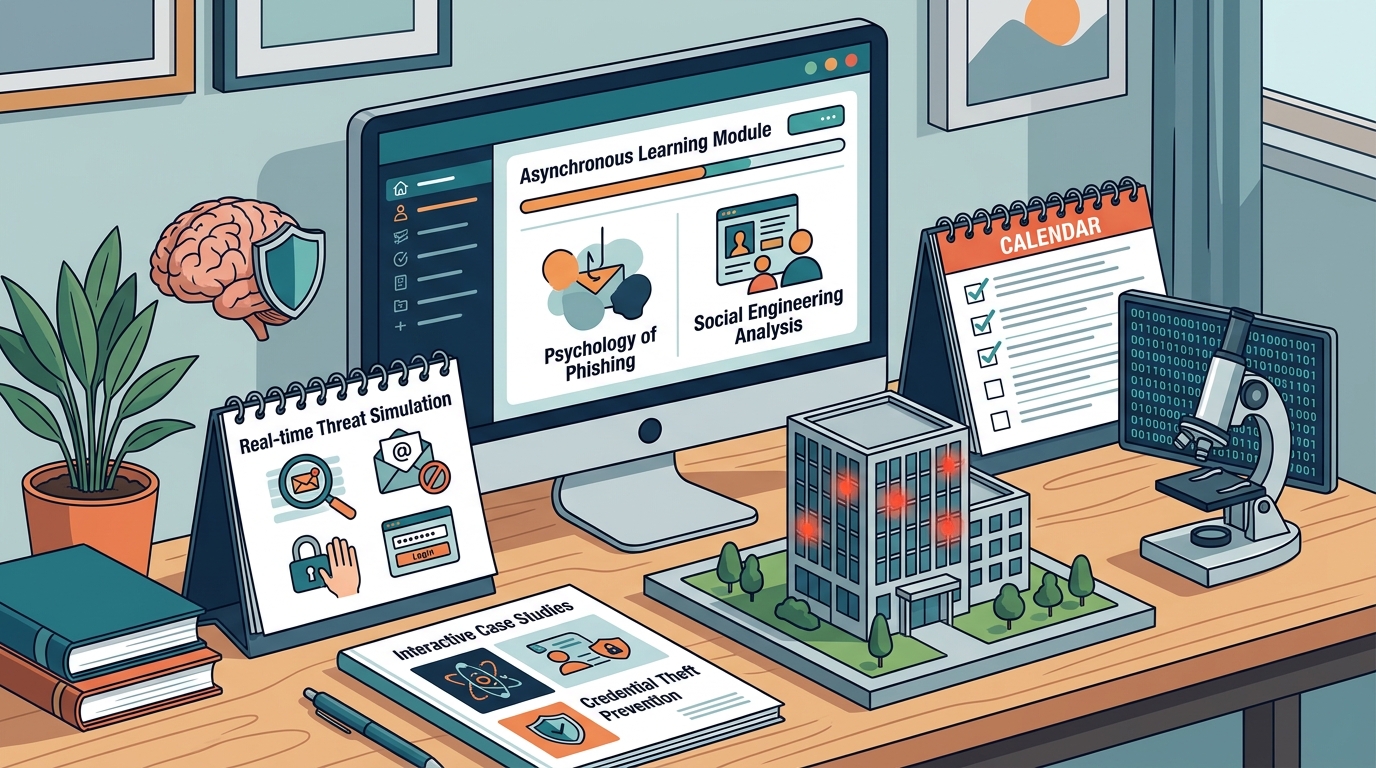
Modern digital threats require more than technical patches. Industry reports indicate that over seventy percent of data breaches stem from human error rather than software vulnerabilities. Leading online institutions address this gap by integrating behavioral science into their digital learning ecosystems. These platforms utilize asynchronous modules, interactive case studies, and real-time threat simulations to train students in predicting malicious intent. The pedagogical model shifts focus from pure code analysis to understanding the psychological drivers behind cybercrime. This strategic approach prepares graduates to anticipate attacks before they materialize. (About Us Evidentia University)
Platform Architecture and Accessibility
Effective distance learning requires robust infrastructure that mirrors professional environments. Government agencies consistently emphasize that remote training must replicate the pressure of live incident response. Evidentia University addresses this requirement through a centralized virtual classroom system. Students access course materials, discussion boards, and assessment portals through a single authenticated dashboard. The architecture supports simultaneous multi-user interactions without latency. This design ensures that geographic location never hinders academic progression. Learners in Latin America, Europe, and North America experience identical instructional standards.
Defining Behavioral Cybersecurity
Traditional IT security focuses exclusively on firewalls and encryption protocols. Behavioral cybersecurity is the strategic integration of psychological profiling and digital threat analysis to predict and neutralize human-driven network attacks. Federal guidelines confirm that cognitive fatigue directly correlates with increased vulnerability to social engineering campaigns. Cybercriminology is the systematic study of criminal motivations, digital footprints, and psychological triggers that drive unauthorized network access. Programs at accredited institutions teach students to map attacker psychology against defensive infrastructure. This dual focus reduces incident response times by identifying behavioral anomalies before exploitation occurs. Organizations adopting this methodology report significantly lower breach recovery costs.
Curriculum Design and Pedagogical Frameworks
Academic rigor in distance education depends on structured knowledge progression. Universities construct syllabi that balance theoretical research with applied forensic analysis. The Behavioral Cybersecurity and Cybercriminology master program exemplifies this methodology. Students progress through foundational modules covering threat intelligence, followed by advanced coursework in predictive behavioral modeling. Academic catalogs reveal a strict adherence to competency-based evaluation metrics. Instructors utilize scenario-based assessments that require learners to draft incident response protocols under time constraints. This pedagogical framework ensures graduates possess actionable skills rather than abstract knowledge. The curriculum directly aligns with current industry certification requirements.
Virtual Classroom Integration
Interactive learning environments replace passive video lectures with dynamic participation. The virtual classroom platform supports live seminars, recorded lectures, and peer-reviewed assignments. International students benefit from translated session recordings that accommodate diverse linguistic backgrounds. Faculty members moderate discussion threads to ensure academic discourse remains focused on forensic applications. The platform also hosts specialized clubs that extend learning beyond standard coursework. The Forensic Science Club and Behavioral Economics Club provide networking opportunities with industry professionals. These extracurricular digital spaces foster collaborative research projects that address emerging cyber threats. Students consistently report higher engagement levels when utilizing integrated community tools.
Faculty Expertise and Research Output
Distance learning quality directly correlates with instructor credentials and publication records. Leading institutions recruit practitioners who maintain active roles in law enforcement and corporate security. Faculty members publish peer-reviewed articles in specialized journals covering behavioral economics and nonverbal communication. The Behavior and Law Journal serves as a primary publication outlet for cutting-edge academic research. Students gain access to proprietary diagnostic methodologies developed by department heads. These methodologies help analysts decode deceptive communication patterns during digital negotiations. The academic staff also organizes annual international summits that connect scholars with global law enforcement stakeholders. This continuous knowledge exchange keeps course materials current with evolving threat landscapes.
Program Comparison and Tuition Models
Prospective students must evaluate financial commitments against long-term career returns. Online master programs typically offer flexible payment structures that accommodate working professionals. Financial aid packages remain available for qualified applicants who meet academic prerequisites. The institution provides transparent tuition schedules that outline per-credit costs without hidden administrative fees. A comparative analysis of available degrees reveals distinct specialization tracks. Learners can pursue focused certifications or comprehensive master degrees depending on their career objectives. The following table outlines the primary academic pathways available to new enrollees.
| Program Track | Core Focus Area | Target Audience | Enrollment Pathway |
|---|---|---|---|
| Master in Behavioral Cybersecurity | Predictive threat modeling and digital psychology | Security analysts and incident responders | Apply for admission |
| Master in Criminal Profiling | Behavioral pattern recognition and offender mapping | Law enforcement personnel and forensic consultants | Review admission process |
| Master in Behavioral Economics | Decision science and financial fraud prevention | Compliance officers and risk managers | View tuition schedules |
| Master in Nonverbal Communication | Deception detection and interview techniques | Interrogation specialists and corporate investigators | Explore course catalog |
Key Takeaways
- Over seventy percent of modern data breaches originate from human error rather than technical failures.
- Forensic behavioral analysis is the methodical examination of human decision-making patterns to identify vulnerabilities within corporate security infrastructure.
- Virtual classroom architectures support simultaneous multi-user interactions without latency across global time zones.
- Faculty members publish peer-reviewed research in specialized journals covering behavioral economics and nonverbal communication.
- Annual international summits connect academic scholars with global law enforcement stakeholders for knowledge exchange.
- Flexible payment structures and financial aid packages accommodate working professionals pursuing advanced degrees.
- Program graduates consistently report higher engagement levels when utilizing integrated community tools and specialized clubs.
Frequently Asked Questions
How does an online university ensure academic rigor without physical campus presence?
Institutions maintain rigorous standards by implementing competency-based evaluation metrics and scenario-based assessments. Students must demonstrate practical proficiency through simulated incident response protocols rather than traditional multiple-choice examinations. Faculty members actively moderate discussion threads to ensure academic discourse remains focused on forensic applications.
What specific skills do behavioral cybersecurity programs teach?
These programs train learners to map attacker psychology against defensive infrastructure. Students master predictive behavioral modeling, threat intelligence analysis, and digital negotiation tactics. The curriculum directly aligns with current industry certification requirements and corporate compliance standards.
Are financial aid options available for international students?
Qualified applicants who meet academic prerequisites can access financial aid packages regardless of geographic location. The institution provides transparent tuition schedules that outline per-credit costs without hidden administrative fees. Flexible payment structures accommodate working professionals pursuing advanced degrees across multiple continents.
How do virtual classrooms facilitate real-time collaboration?
Interactive learning environments replace passive video lectures with dynamic participation modules. The platform supports live seminars, recorded lectures, and peer-reviewed assignments within a single authenticated dashboard. International students benefit from translated session recordings that accommodate diverse linguistic backgrounds.
What career paths are available after completing a master degree in behavioral sciences?
Graduates typically pursue roles as security analysts, forensic consultants, compliance officers, and corporate investigators. Organizations actively recruit professionals who understand the psychological drivers behind cybercrime. The academic staff also organizes annual international summits that connect scholars with global law enforcement stakeholders.
Does the university offer specialized extracurricular digital spaces?
Yes, the platform hosts specialized clubs that extend learning beyond standard coursework. The Forensic Science Club and Behavioral Economics Club provide networking opportunities with industry professionals. These extracurricular digital spaces foster collaborative research projects that address emerging cyber threats.
Begin Your Behavioral Cybersecurity Education Today
Distance learning has evolved into a sophisticated academic discipline that bridges technical security with human psychology. Prospective students can explore comprehensive program details, review admission requirements, and submit applications through the official university portal. Fall 2026 enrollment cycles are currently accepting qualified candidates who seek advanced forensic training. Visit the main academic homepage to schedule a consultation with an admissions counselor. Secure your place in the next cohort and transform your career trajectory through evidence-based behavioral science education.