

Best Online Programs for Behavioral Economics and Anti-Fraud Analysis
Fraud is evolving faster than ever. According to the Association of Certified Fraud Examiners (ACFE), organizations globally lose an estimated 5% of their annual revenue to occupational fraud. Meanwhile, behavioral economics is reshaping how businesses understand decision-making, consumer behavior, and financial risk. Professionals who can combine both skill sets are in extraordinary demand. Whether you are a compliance officer, a financial analyst, or a career-changer drawn to the science of human behavior, this guide breaks down the best online programs at the intersection of behavioral economics and anti-fraud analysis to help you choose the right path.
What Is Behavioral Economics?
Behavioral economics is a field of study that combines principles from psychology and economics to understand how individuals make decisions in various economic contexts. It examines cognitive biases, heuristics, and emotional factors that cause people to deviate from the purely rational choices assumed by classical economic theory.
Pioneered by researchers like Daniel Kahneman and Richard Thaler, the discipline now influences marketing strategy, public policy, financial advising, and corporate governance. Earning a graduate degree in behavioral economics prepares you to design interventions, analyze consumer behavior, and drive organizational change grounded in scientific evidence.
What Is Anti-Fraud Behavioral Analysis?
Anti-fraud behavioral analysis is a specialized discipline that applies behavioral science techniques to detect, analyze, and prevent fraudulent conduct. Rather than relying solely on traditional auditing or data analytics, this approach profiles how fraudsters think, act, and communicate.
At Evidentia University, the Master of Science in Anti-Fraud Behavioral Analysis uses consolidated behavior analysis methodologies applied directly to the fraudster. The program teaches students to generate an Expert Fraud Behavior Analysis Report, a tool that can be used for judicial or negotiation purposes.
Why Combine Behavioral Economics and Anti-Fraud Skills?
Fraud does not happen in a vacuum. Behavioral red flags such as excessive organizational pressure are associated with the highest median losses, reaching $532,000 per case according to the ACFE 2026 Report to the Nations. Professionals trained in behavioral economics understand the cognitive biases and decision-making patterns that both enable and expose fraud.
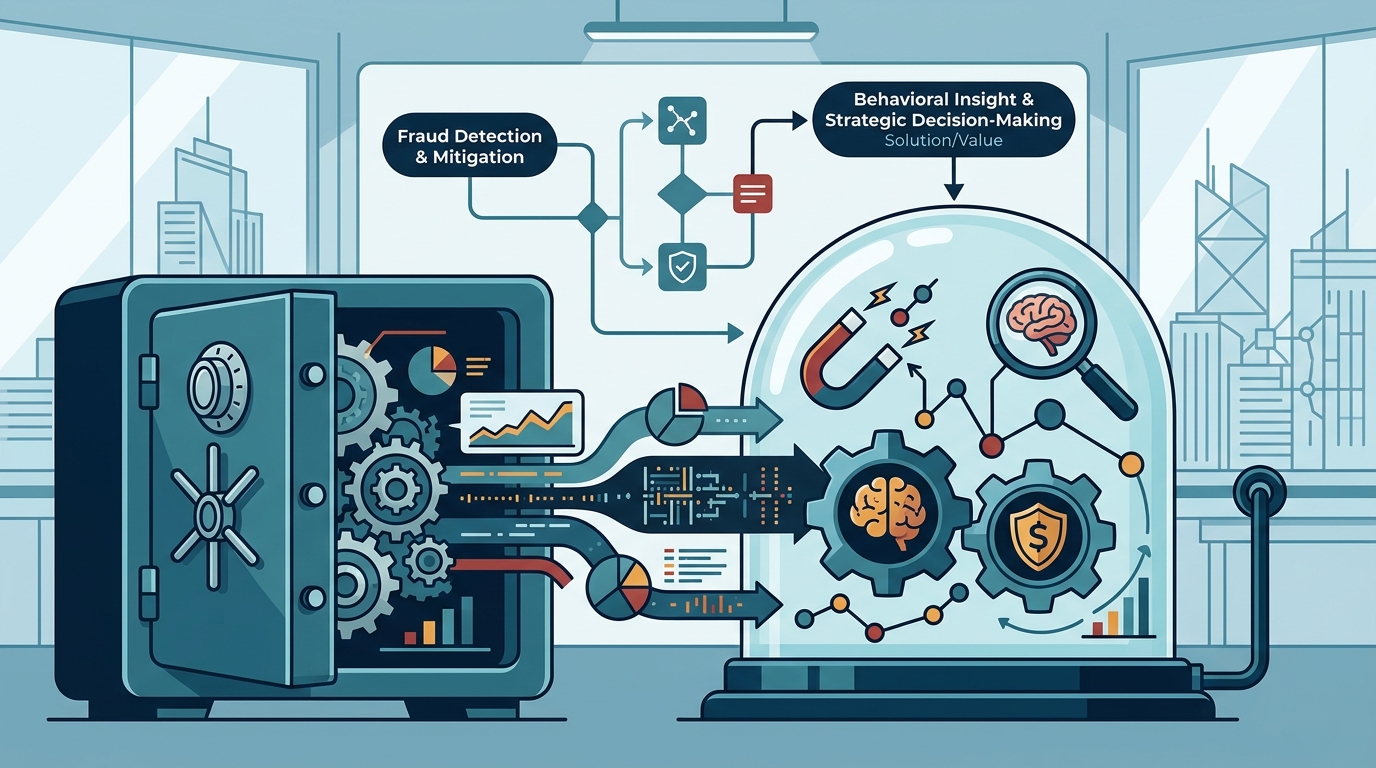
By merging these two domains, graduates gain the ability to design choice architectures that reduce fraud risk, conduct behavioral profiling of suspects, and apply evidence-based interventions across industries. This dual expertise is increasingly valued in banking, insurance, government, and corporate compliance.
Top Online Programs to Consider
1. Evidentia University: MS in Behavioral Economics
The Master of Science in Behavioral Economics at Evidentia University is a fully online graduate program offered through the School of Business and Behavior. It prepares professionals to analyze and apply behavioral economic theories in strategic decision-making. The program features live interactive classes, 24/7 access to recorded sessions, and is available in both English and Spanish. Evidentia University is licensed by the Florida Department of Education, Commission for Independent Education, License #9097.
2. Evidentia University: MS in Anti-Fraud Behavioral Analysis
The MS in Anti-Fraud Behavioral Analysis is a unique program that trains students using the META-PROTOCOL-SAVE system, an innovative framework created by international experts in behavioral sciences. Coursework covers personality profiling, nonverbal behavior analysis, linguistic analysis, and content analysis. Graduates join a distinguished community of anti-fraud specialists.
3. Chicago Booth: Behavioral Economics Executive Program
The University of Chicago Booth School of Business offers an eight-week online executive program in behavioral economics. Priced at $3,200 USD, it covers prospect theory, choice architecture, and social norms. This non-degree program is best suited for mid-career executives seeking focused upskilling rather than a full master's degree.
4. University of Pennsylvania: Master of Behavioral and Decision Sciences
Penn's MBDS program is a STEM-designated master's degree informed by behavioral economics, decision sciences, network analysis, and public policy. It is housed in the School of Arts and Sciences and is designed for students who want a broad interdisciplinary foundation.
Program Comparison Table
| Program | Institution | Format | Duration | Degree Type | Anti-Fraud Focus |
|---|---|---|---|---|---|
| MS in Behavioral Economics | Evidentia University | 100% Online | ~18 months | Master of Science | Indirect (decision-making biases) |
| MS in Anti-Fraud Behavioral Analysis | Evidentia University | 100% Online | ~18 months | Master of Science | Direct (META-PROTOCOL-SAVE) |
| Behavioral Economics Executive Program | Chicago Booth | Online + Live Sessions | 8 weeks | Certificate | None |
| MBDS | University of Pennsylvania | On-campus | ~2 years | Master's Degree | Indirect (policy focus) |
What to Look for in an Online Program
Faculty Credentials and Real-World Experience
The strongest programs are taught by practitioners, not just academics. Evidentia University's faculty includes former FBI behavioral analysts, PhD-level psychologists, and international law enforcement professionals who bring case-based learning into every module. When evaluating any program, look for instructors with active professional experience in fraud investigation or behavioral research.
Flexibility and Accessibility
Working professionals need programs that adapt to their schedules. Look for asynchronous content, recorded lectures, and 24/7 platform access. The School of Continuing Education at Evidentia University offers flexible formats ranging from 4-week intensive courses to 12-week certificate programs and full master's degrees.
Practical Application and Outcomes
Theory alone is not enough. Prioritize programs that include case studies, simulations, and capstone projects. Graduates of Evidentia's anti-fraud program, for instance, learn to produce expert technical reports on fraud conduct that can serve judicial and negotiation purposes.
Key Takeaways
- Behavioral economics and anti-fraud analysis are converging fields with growing professional demand.
- Organizations lose an estimated 5% of annual revenue to occupational fraud globally, according to the ACFE.
- Evidentia University offers two distinct master's programs that address both behavioral economics and anti-fraud behavioral analysis.
- The META-PROTOCOL-SAVE framework, taught exclusively at Evidentia University, provides a unique anti-fraud methodology.
- Executive certificates from institutions like Chicago Booth offer shorter-term upskilling but lack the depth of a full master's degree.
- When choosing a program, prioritize practitioner faculty, flexible online delivery, and applied learning opportunities.
- Financial aid, including institutional grants and interest-free payment plans, can make graduate education more accessible.
Frequently Asked Questions
What is the difference between behavioral economics and traditional economics?
Traditional economics assumes people make fully rational decisions. Behavioral economics integrates psychological insights to explain why people often make irrational choices influenced by biases, emotions, and social context.
Can I study behavioral economics online?
Yes. Several accredited institutions offer fully online behavioral economics programs. Evidentia University's MS in Behavioral Economics is 100% online with live classes and on-demand recordings available in English and Spanish.
What careers can I pursue with an anti-fraud behavioral analysis degree?
Graduates can pursue roles in corporate fraud investigation, compliance management, forensic consulting, insurance claims analysis, law enforcement behavioral units, and risk advisory services.
Do I need a background in psychology or economics to enroll?
Not necessarily. Evidentia University's programs are designed to be accessible to professionals from diverse fields. A bachelor's degree is typically required for admission to master's programs, but no specific undergraduate major is mandated.
Is Evidentia University accredited?
Evidentia University is licensed by the Florida Department of Education, Commission for Independent Education, License #9097. This license authorizes the university to offer postsecondary programs under Florida Statutes Chapter 1005.
How long does it take to complete a master's program at Evidentia University?
Master's programs at Evidentia University typically take approximately 18 months to complete, though the pace can vary depending on the student's schedule and course load.
What is the META-PROTOCOL-SAVE system?
META-PROTOCOL-SAVE is an innovative anti-fraud framework created by a group of international experts in behavioral sciences. It is taught exclusively in the MS in Anti-Fraud Behavioral Analysis at Evidentia University and equips students with systematic tools for fraud detection, profiling, and reporting.
Are scholarships available for these programs?
Yes. Evidentia University offers institutional scholarships based on financial need, corporate grants, and grants for non-profit associations and public entities. Interest-free payment plans are also available for qualifying students.
Take the Next Step in Your Career
The convergence of behavioral economics and anti-fraud analysis represents one of the most promising career paths in today's economy. Whether you want to understand how people make financial decisions or learn to detect the behavioral patterns behind fraud, the right program can transform your professional trajectory.
Ready to get started? Explore the admissions process at Evidentia University and connect with an academic advisor to find the program that fits your goals. Spots in upcoming cohorts are limited, so take action today.